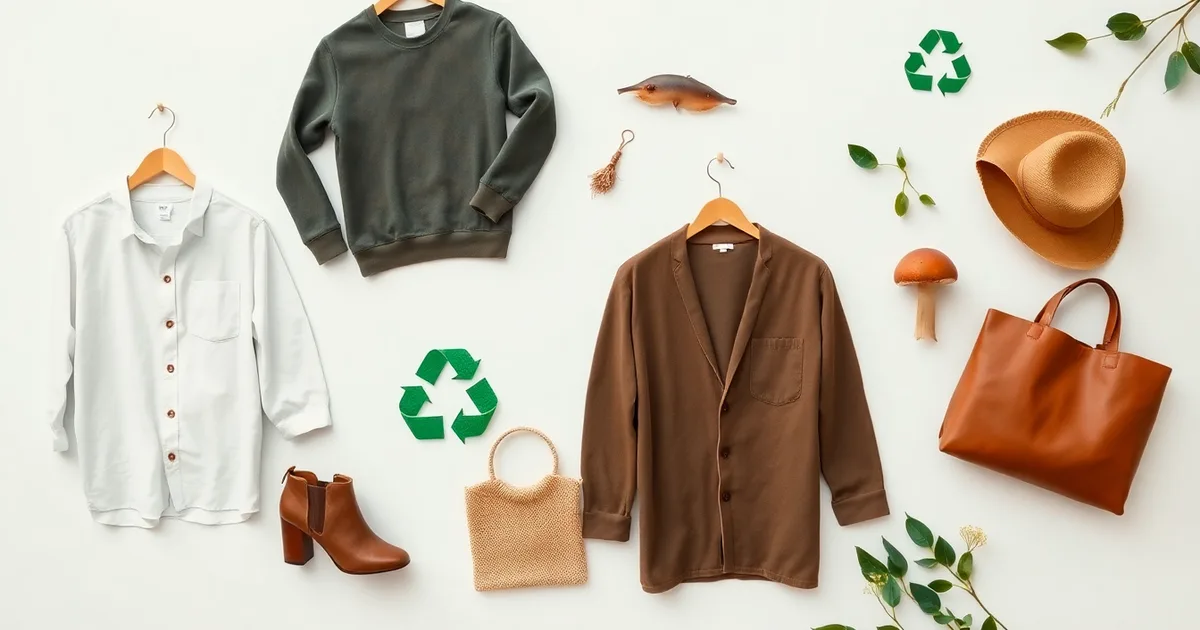
Sustainable fashion brands are revolutionizing the clothing industry by prioritizing environmental responsibility, ethical manufacturing practices, and innovative eco-friendly materials. In 2026, consumers increasingly seek fashion choices that align with their values, driving demand for brands that minimize environmental impact while maintaining style and quality. This comprehensive guide explores the top sustainable fashion brands, their practices, and how to make informed eco-conscious shopping decisions that support both personal style and planetary health.
What Are Sustainable Fashion Brands and Why Do They Matter?
Sustainable fashion brands are companies that integrate environmental and social responsibility into every aspect of their business model. These brands focus on reducing waste, using renewable materials, ensuring fair labor practices, and creating durable products designed to last.
The traditional fashion industry is responsible for approximately 10% of global carbon emissions and produces over 92 million tons of textile waste annually. Sustainable fashion brands address these issues through:
- Use of organic, recycled, and biodegradable materials
- Implementation of circular economy principles
- Reduction of water consumption and chemical usage
- Fair wages and safe working conditions for employees
- Transparent supply chain practices
How Do Leading Sustainable Fashion Brands Implement Eco-Friendly Practices?
Top sustainable fashion brands employ various innovative strategies to minimize their environmental footprint. These practices have evolved significantly, with many brands achieving carbon neutrality or even carbon negativity by 2026.
Material Innovation and Sourcing
Leading brands invest heavily in sustainable materials research and development. Organic cotton uses 91% less water than conventional cotton, while recycled polyester reduces petroleum dependency by up to 60%.
- Tencel and modal from sustainably managed forests
- Recycled ocean plastic transformed into high-quality fabrics
- Mushroom leather (mycelium) and lab-grown materials
- Deadstock fabric utilization to reduce waste
Manufacturing and Production Methods
Sustainable brands prioritize local production to reduce transportation emissions and support regional economies. Many have implemented closed-loop manufacturing systems that eliminate waste through complete material recycling.
Which Are the Top Sustainable Fashion Brands Leading the Industry in 2026?
The sustainable fashion landscape features established leaders and innovative newcomers making significant environmental and social impact.
Luxury Sustainable Fashion Pioneers
Stella McCartney continues leading luxury sustainable fashion, achieving 100% renewable energy across all operations and pioneering leather alternatives from mushroom mycelium and lab-grown materials.
Gabriela Hearst maintains carbon-neutral status while expanding their regenerative agriculture partnerships, supporting farming practices that actually remove carbon from the atmosphere.
Accessible Sustainable Brands
Patagonia remains the gold standard for outdoor sustainable fashion, with their Worn Wear program extending product lifecycles and their regenerative agriculture initiatives supporting carbon sequestration.
Eileen Fisher has perfected their circular design philosophy, with 90% of their 2026 collection designed for complete recyclability through their Renew program.
- Reformation: Climate-positive goal achieved through renewable energy and carbon offset investments
- Kotn: Direct-trade cotton sourcing supporting Egyptian farming communities
- Girlfriend Collective: Expanded beyond activewear with 100% recycled materials across all product lines
- Tentree: Plants 10 trees for every item sold, reaching 100 million trees planted milestone in 2026
What Materials and Technologies Make Fashion Brands Truly Sustainable?
Understanding sustainable materials helps consumers make informed choices. Innovative biotechnology has introduced game-changing materials that perform better than traditional options while maintaining environmental benefits.
| Material Type | Environmental Benefit | Performance Characteristics | Leading Brands Using |
|---|---|---|---|
| Organic Cotton | 91% less water usage | Soft, breathable, durable | Patagonia, Kotn |
| Tencel/Lyocell | Biodegradable, closed-loop production | Moisture-wicking, antibacterial | Reformation, Eileen Fisher |
| Recycled Polyester | 60% less energy consumption | Quick-dry, shape retention | Girlfriend Collective, Adidas |
| Hemp | Carbon negative, soil regenerating | Durable, UV resistant | Patagonia, Jungmaven |
| Mushroom Leather | Biodegradable, cruelty-free | Flexible, water-resistant | Stella McCartney, Hermès |
Emerging Technologies Transforming Sustainable Fashion
Biotechnology innovations are creating materials that were impossible just a few years ago. Lab-grown leather from collagen cultures provides identical properties to animal leather without environmental impact.
Similarly, just as artificial intelligence applications are revolutionizing various industries, AI is now optimizing sustainable fashion supply chains, reducing waste through demand prediction and improving material efficiency.
How Can Consumers Identify Authentic Sustainable Fashion Brands?
With growing demand for sustainable fashion, some brands engage in "greenwashing" - marketing themselves as sustainable without substantial environmental commitments. Authentic sustainable brands demonstrate transparency through specific, measurable actions.
Key Certification Standards to Look For
- Global Organic Textile Standard (GOTS): Ensures organic fiber content and environmental criteria
- Cradle to Cradle Certified: Evaluates entire product lifecycle sustainability
- Bluesign approved: Chemical safety and worker protection standards
- Fair Trade Certified: Ensures fair wages and working conditions
- B Corporation: Third-party verified social and environmental performance
Transparency Indicators
Genuine sustainable fashion brands provide detailed information about their supply chains, manufacturing processes, and environmental impact. Look for brands that publish annual sustainability reports with specific metrics and goals.
What Are the Economic Benefits of Supporting Sustainable Fashion Brands?
Investing in sustainable fashion provides long-term economic advantages beyond environmental benefits. Quality sustainable garments typically last 3-5 times longer than fast fashion alternatives, reducing per-wear costs significantly.
The sustainable fashion market has grown 68% since 2020, demonstrating strong consumer demand and economic viability. This growth mirrors trends in other sustainable sectors, similar to how electric vehicles have gained mainstream adoption through improved technology and economic incentives.
- Higher resale value retention compared to fast fashion
- Reduced replacement costs due to superior durability
- Supporting innovation in sustainable technologies
- Contributing to job creation in ethical manufacturing
How to Build a Sustainable Wardrobe: Step-by-Step Shopping Guide
Creating a sustainable wardrobe requires strategic planning and mindful consumption. Focus on quality over quantity and choose versatile pieces that work across multiple seasons and occasions.
Wardrobe Assessment and Planning
- Audit existing wardrobe to identify gaps and over-represented categories
- Define personal style and lifestyle needs
- Set a realistic budget for sustainable pieces
- Prioritize replacing worn-out items with sustainable alternatives
- Create a wishlist of essential sustainable pieces
Smart Shopping Strategies
Research brands thoroughly before purchasing, similar to how one might research health and wellness practices like those found in comprehensive nutrition guides. This research ensures your investment supports genuinely sustainable practices.
What Role Does Circular Fashion Play in Brand Sustainability?
Circular fashion represents the future of sustainable clothing, where products are designed for continuous use cycles rather than linear consumption patterns. Leading sustainable fashion brands have integrated circular principles into their core business models.
Circular fashion initiatives include take-back programs, rental services, and design for disassembly. These approaches extend product lifecycles and minimize waste, with some brands achieving zero-waste-to-landfill status.
- Clothing rental and subscription services
- Buy-back and trade-in programs
- Repair and alteration services
- Upcycling and reimagining old garments
- Material recovery and recycling systems
How Are Sustainable Fashion Brands Addressing Labor Rights and Social Impact?
True sustainability encompasses both environmental and social responsibility. Ethical manufacturing ensures fair wages, safe working conditions, and community development support throughout the supply chain.
Leading sustainable fashion brands invest in long-term partnerships with manufacturers, providing training, infrastructure improvements, and community development programs. This approach creates stable employment and improves living standards in manufacturing regions.
Social Impact Initiatives
Many brands extend their impact beyond manufacturing through education programs, skill development initiatives, and community investment projects. These efforts create lasting positive change in manufacturing communities.
Practical Tips for Sustainable Fashion Shopping
- Buy less, choose well: Invest in high-quality pieces that align with your personal style and lifestyle needs
- Research brand sustainability practices: Look for transparency reports, certifications, and specific environmental commitments
- Consider cost-per-wear: Calculate long-term value rather than focusing solely on initial purchase price
- Explore secondhand and vintage options: Extend garment lifecycles through resale platforms and vintage stores
- Care for your clothes properly: Follow care instructions to maximize garment lifespan and maintain quality
- Support local and small sustainable brands: Discover emerging designers committed to sustainable practices
- Participate in clothing swaps and rental services: Access variety without increasing consumption
- Learn basic repair and alteration skills: Extend garment life through simple maintenance and modifications
- Choose versatile, timeless pieces: Build a capsule wardrobe with items that work across seasons and occasions
- Stay informed about sustainable fashion developments: Follow industry news and emerging sustainable brands
Future Trends in Sustainable Fashion Technology
The sustainable fashion industry continues evolving rapidly, with breakthrough technologies promising even greater environmental benefits. Biotechnology innovations are creating materials with properties superior to traditional options while maintaining complete biodegradability.
Blockchain technology is improving supply chain transparency, allowing consumers to trace garments from raw materials through manufacturing to retail. This transparency builds trust and enables informed purchasing decisions.
Just as technology continues advancing in other sectors, such as the development of sophisticated science-based optimization techniques for health and wellness, fashion technology is becoming increasingly sophisticated in addressing sustainability challenges.
Sustainable fashion brands are leading a fundamental transformation of the clothing industry, proving that style, quality, and environmental responsibility can coexist successfully. By supporting these brands and making mindful consumption choices, consumers contribute to a more sustainable future while building wardrobes that reflect their values. The continued growth and innovation in sustainable fashion demonstrate that this approach represents not just an ethical choice, but the future of the fashion industry itself.