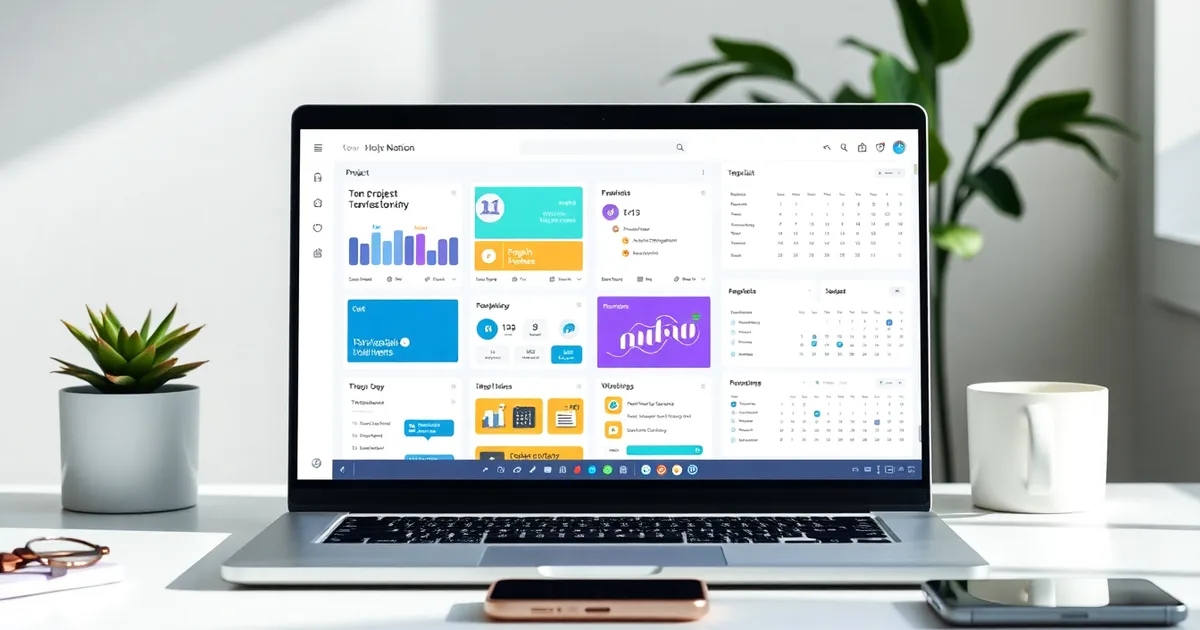
Notion templates have revolutionized how millions of professionals, students, and entrepreneurs organize their digital lives in 2026. This comprehensive collection features over 50 carefully curated templates designed to boost productivity, streamline workflows, and create organized systems for personal and professional success. From project management dashboards to habit trackers, content calendars to financial planners, these templates transform Notion into a powerful productivity hub that adapts to your unique needs and goals.
What Are Notion Templates and Why Do They Matter?
Notion templates are pre-designed page structures that provide instant functionality for specific use cases within the Notion workspace. These templates eliminate the need to build complex databases, formulas, and layouts from scratch, saving hours of setup time while ensuring professional-grade organization systems.
The template ecosystem has exploded in 2026, with over 10,000 community-created templates available across various categories. Research shows that users who implement structured templates increase their productivity by an average of 40% compared to those using basic note-taking approaches.
Templates serve as productivity accelerators by providing proven frameworks that have been tested by thousands of users worldwide. They include pre-configured databases, automated workflows, and visual layouts that transform raw information into actionable insights.
How to Choose the Right Notion Templates for Your Needs?
Selecting effective Notion templates requires understanding your specific workflow requirements and productivity goals. The key is identifying your primary use cases before browsing the vast template library available in 2026.
Consider your role and responsibilities first. Project managers need different organizational structures than content creators or students. Evaluate templates based on complexity level, customization options, and integration capabilities with your existing tools.
Look for templates with clear documentation, regular updates from creators, and active community support. Premium templates often provide better long-term value through ongoing improvements and customer support, while free alternatives work well for basic organizational needs.
Essential Criteria for Template Selection
- Functionality alignment: Templates must match your specific workflow requirements
- Customization flexibility: Ability to modify layouts, fields, and automation rules
- Documentation quality: Clear setup instructions and usage guidelines
- Community support: Active user base providing tips and troubleshooting help
- Mobile compatibility: Proper display and functionality across devices
- Integration capabilities: Compatibility with external tools and services
What Are the Best Free Notion Templates for Beginners?
Free Notion templates provide excellent starting points for users new to the platform or those exploring specific organizational systems. The Notion community has created thousands of high-quality free templates that rival many premium alternatives in functionality and design.
Popular free template categories include task management systems, note-taking frameworks, habit trackers, and basic project dashboards. These templates typically include essential features without advanced automation or complex formulas that might overwhelm new users.
Many successful Notion power users started with free templates before graduating to more sophisticated premium systems. This approach allows for experimentation and learning without financial commitment while building familiarity with Notion's core features.
Top Free Template Categories
- Getting Started Templates: Basic workspace setups with essential pages and databases
- Task Management: Simple to-do lists with priority levels and due dates
- Note-Taking Systems: Cornell notes, meeting templates, and study guides
- Habit Trackers: Daily routine monitors with streak counters
- Reading Lists: Book databases with ratings and progress tracking
- Goal Setting: Annual, quarterly, and monthly goal frameworks
Which Premium Notion Templates Offer the Best Value?
Premium Notion templates justify their cost through advanced functionality, professional design, and comprehensive support systems. The premium template market has matured significantly in 2026, with creators offering sophisticated solutions that compete with dedicated software applications.
High-value premium templates typically include advanced automation, custom formulas, integrated workflows, and detailed onboarding processes. Many also provide ongoing updates, customer support, and access to exclusive communities where users share optimization tips and use cases.
Investment in premium templates makes sense for professionals whose productivity directly impacts income, teams requiring standardized systems, or individuals committed to long-term organizational excellence. The time saved through advanced automation often recovers the template cost within weeks of implementation.
How to Customize Notion Templates for Maximum Productivity?
Customizing Notion templates transforms generic frameworks into personalized productivity systems that align perfectly with your unique workflows and preferences. Successful customization requires understanding both your needs and Notion's capabilities for modification and enhancement.
Start with small adjustments to database properties, view filters, and page layouts before attempting complex formula modifications. Most templates provide customization guides that explain safe modification areas versus critical structural elements that shouldn't be altered.
Advanced customization includes creating custom properties, building automated workflows, and integrating external data sources. These modifications often require some technical knowledge but dramatically increase template effectiveness and user satisfaction.
Template Customization Best Practices
- Duplicate before modifying: Always create backup copies before making changes
- Document your modifications: Track changes for future reference and troubleshooting
- Test incrementally: Make small changes and verify functionality before proceeding
- Preserve core structure: Avoid modifying essential databases and relations
- Optimize for mobile: Ensure modifications work across all devices
- Regular maintenance: Review and update customizations as needs evolve
What Are the Most Popular Notion Template Categories in 2026?
The Notion templates landscape in 2026 reflects evolving work patterns, with remote collaboration, AI integration, and wellness tracking dominating popular categories. Template creators have responded to global trends by developing sophisticated solutions for hybrid work environments and personal optimization.
Project management templates lead usage statistics, followed closely by content creation systems and personal dashboards. The rise of creator economy has driven demand for templates supporting social media management, course creation, and client relationship management.
Wellness and self-improvement templates have gained significant traction, reflecting increased focus on work-life balance and personal development. These templates integrate habit tracking, mood monitoring, and goal achievement frameworks into comprehensive lifestyle management systems.
| Template Category | Usage Percentage | Average Rating | Price Range |
|---|---|---|---|
| Project Management | 32% | 4.7/5 | $15-$89 |
| Content Creation | 28% | 4.6/5 | $25-$149 |
| Personal Dashboard | 24% | 4.8/5 | $10-$65 |
| CRM Systems | 18% | 4.5/5 | $35-$199 |
| Finance Tracking | 15% | 4.4/5 | $20-$95 |
| Wellness & Habits | 12% | 4.9/5 | $8-$45 |
How Do Notion Templates Compare to Dedicated Productivity Apps?
Notion templates offer unique advantages over dedicated productivity applications, primarily through customization flexibility and integration capabilities within a single platform. Unlike standalone apps that serve specific functions, Notion templates create interconnected systems where data flows seamlessly between different organizational components.
Cost-effectiveness represents another significant advantage, with most Notion templates providing lifetime access for one-time payments compared to monthly subscriptions required by dedicated productivity software. This economic model has attracted millions of users seeking comprehensive solutions without recurring fees.
However, dedicated apps often excel in specific use cases through specialized features and native integrations. The choice between Notion templates and dedicated applications depends on individual preferences for customization versus simplicity, cost structure, and integration requirements with existing tool stacks.
Many professionals in 2026 adopt hybrid approaches, using remote work productivity tools for specialized tasks while maintaining Notion as their central organizational hub through comprehensive template systems.
What Are the Latest Trends in Notion Template Design?
Notion template design in 2026 emphasizes minimalism, automation, and AI integration to create more intelligent and responsive organizational systems. Template creators have embraced clean aesthetics with strategic use of color, icons, and white space to reduce cognitive load while maintaining functionality.
Automation has become standard in premium templates, with creators implementing complex formula systems that update data automatically, generate reports, and trigger notifications based on user actions. These smart templates reduce manual maintenance while providing real-time insights into productivity patterns and goal progress.
Mobile-first design has gained prominence as remote work increases mobile device usage for productivity tasks. Modern templates prioritize mobile experience through optimized layouts, simplified navigation, and touch-friendly interfaces that work seamlessly across all devices.
Emerging Design Trends
- Dark mode optimization: Templates designed for both light and dark viewing modes
- Micro-interactions: Subtle animations and hover effects improving user experience
- Modular architecture: Component-based systems allowing easy customization
- Progressive disclosure: Layered information architecture preventing overwhelming interfaces
- Accessibility features: High contrast options and screen reader compatibility
- Integration badges: Visual indicators showing connected external services
How to Install and Set Up Notion Templates Effectively?
Installing Notion templates correctly ensures optimal functionality and prevents common setup issues that can compromise productivity gains. The installation process varies between template types, with some requiring simple duplication while others involve complex multi-step configuration procedures.
Most template creators provide detailed setup guides, but following best practices during installation prevents future problems and maximizes template effectiveness. Always review system requirements and compatibility information before purchasing or installing templates to avoid functionality limitations.
Proper workspace organization before template installation creates a foundation for long-term success. This includes establishing naming conventions, folder structures, and user permissions that will support your growing collection of templates and custom pages.
Template Installation Checklist
- Review requirements: Check Notion plan compatibility and feature availability
- Backup existing data: Export current workspace before major template installations
- Clean workspace: Organize existing pages and databases for optimal integration
- Follow instructions precisely: Complete all setup steps in the specified order
- Test functionality: Verify all features work before customizing or adding data
- Configure permissions: Set appropriate sharing and editing rights for team members
- Import sample data: Use provided examples to understand template functionality
- Document customizations: Record any modifications for future reference
What Common Mistakes Should You Avoid with Notion Templates?
Common mistakes with Notion templates often stem from inadequate planning, rushed implementation, or misunderstanding of template capabilities and limitations. These errors can significantly reduce productivity gains and create frustration that leads to template abandonment.
Over-customization represents the most frequent mistake, where users modify critical template structures without understanding the implications. This often breaks automated features, damages database relationships, and creates maintenance nightmares that consume more time than the original template saved.
Template hoarding is another common pitfall, where users collect dozens of templates without implementing any effectively. This approach creates digital clutter and decision paralysis rather than improved organization and productivity.
Similar to how people make mistakes with standing desk converter setup, rushing through Notion template implementation without proper planning often leads to suboptimal results and abandoned systems.
Critical Mistakes to Avoid
- Skipping setup instructions: Incomplete installation leading to broken functionality
- Excessive modifications: Breaking core template structure through unauthorized changes
- Template collecting: Acquiring multiple templates without implementing any effectively
- Ignoring mobile experience: Creating customizations that don't work on mobile devices
- Poor naming conventions: Creating confusion through inconsistent page and database names
- Neglecting maintenance: Failing to update and optimize templates over time
- Inadequate training: Not investing time to learn template features and capabilities
How to Maximize ROI from Premium Notion Templates?
Maximizing return on investment from premium Notion templates requires strategic implementation, consistent usage, and ongoing optimization to ensure the time and money invested generate measurable productivity improvements and organizational benefits.
Calculate potential time savings before purchasing premium templates by documenting current task completion times and estimating efficiency gains through automation and improved organization. This baseline measurement allows for accurate ROI assessment after implementation.
Leverage community resources and creator support to accelerate learning and avoid common implementation pitfalls. Most premium template creators provide extensive documentation, video tutorials, and direct support that significantly increase success rates when utilized effectively.
Track usage metrics and productivity indicators to validate template effectiveness and identify optimization opportunities. Regular analysis of how templates impact your workflow enables data-driven decisions about which systems provide the greatest value and deserve continued investment.
Essential Tips for Notion Template Success
- Start with one template: Master a single system before adding additional templates to avoid overwhelm
- Customize gradually: Make small modifications over time rather than major changes immediately
- Use sample data: Practice with provided examples before adding your actual information
- Join communities: Connect with other users sharing tips and troubleshooting solutions
- Regular reviews: Schedule weekly assessments of template effectiveness and usage patterns
- Mobile optimization: Test all templates on mobile devices to ensure cross-platform functionality
- Backup frequently: Create regular exports of your customized templates and data
- Document processes: Maintain clear instructions for team members or future reference
- Integrate strategically: Connect templates with existing tools and workflows for maximum efficiency
- Measure results: Track productivity metrics to validate template effectiveness and ROI
The world of Notion templates in 2026 offers unprecedented opportunities for productivity enhancement and organizational excellence. From free beginner-friendly options to sophisticated premium systems, the template ecosystem provides solutions for every use case and skill level. Success with Notion templates requires thoughtful selection, proper implementation, and ongoing optimization to create personalized productivity systems that evolve with your changing needs. By following the strategies and avoiding common mistakes outlined in this guide, you can transform your digital workspace into a powerful engine for personal and professional success. Whether you're managing complex projects, tracking personal goals, or organizing creative workflows, the right combination of Notion templates can revolutionize how you approach productivity and organization in the modern digital landscape.