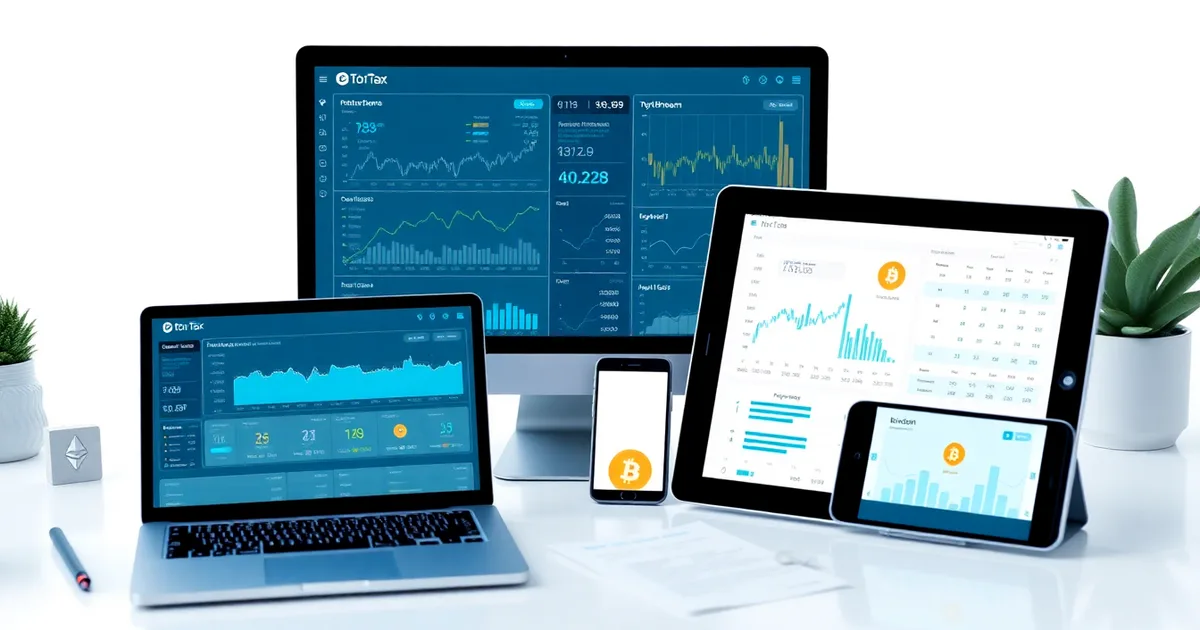
Cryptocurrency tax software has become essential for accurate tax reporting as digital asset adoption surges in 2026. With over 420 million crypto users worldwide and increasingly complex regulations, specialized tax platforms help traders, investors, and businesses calculate gains, losses, and obligations automatically. This comprehensive guide explores the top crypto tax software tools, their features, pricing models, and how to choose the right platform for your needs.
What Is Cryptocurrency Tax Software and Why Do You Need It?
Crypto tax software is specialized technology that automatically tracks, calculates, and reports cryptocurrency transactions for tax purposes. These platforms connect to exchanges, wallets, and DeFi protocols to import transaction data and compute taxable events like trading, staking rewards, mining income, and DeFi yields.
The complexity of crypto taxation makes manual calculation nearly impossible for active traders. Each transaction triggers potential tax implications, and the IRS requires detailed reporting of all digital asset activities. Professional tax software eliminates human error and ensures compliance with evolving regulations.
Key benefits include automated transaction importing, accurate cost basis calculations, support for multiple accounting methods (FIFO, LIFO, HIFO), and generation of tax-ready reports compatible with popular tax preparation software.
How Do Crypto Tax Software Platforms Work?
Modern cryptocurrency tax software operates through sophisticated APIs that connect directly to major exchanges like Coinbase, Binance, Kraken, and hundreds of other platforms. Users authenticate their accounts, and the software automatically imports all historical transaction data.
The process typically involves four main steps:
- Data Import: Connect exchanges, wallets, and DeFi protocols via API keys or CSV uploads
- Transaction Classification: Automatically categorize trades, transfers, rewards, and other activities
- Tax Calculation: Apply appropriate accounting methods and calculate gains/losses for each taxable event
- Report Generation: Create IRS-compliant forms like 8949, Schedule D, and other required documentation
Advanced platforms also handle complex scenarios like DeFi liquidity provision, NFT transactions, margin trading, and cross-chain bridges. The software maintains detailed audit trails and provides comprehensive portfolio tracking beyond tax purposes.
What Are the Top Crypto Tax Software Platforms in 2026?
The crypto tax software market has matured significantly, with several platforms offering comprehensive solutions. Here are the leading options based on features, accuracy, and user satisfaction:
Enterprise-Level Solutions
CoinTracker leads the market with support for 7,000+ cryptocurrencies and 300+ exchanges. Their platform offers real-time portfolio tracking, automated DeFi transaction detection, and integration with TurboTax and TaxAct. Pricing ranges from free for up to 25 transactions to $399 for unlimited transactions.
Koinly excels in handling complex DeFi scenarios and supports over 700 exchanges and wallets. Their strength lies in accurate cost basis calculations and comprehensive tax optimization features. Plans start at $49 for up to 100 transactions, scaling to $399 for unlimited volume.
Professional-Grade Platforms
TokenTax combines automated software with professional tax review services. They offer white-glove service for high-net-worth individuals and institutional clients. Their hybrid approach includes both self-service software and professional accountant review, with pricing starting at $195.
TaxBit focuses on institutional clients and offers enterprise-grade compliance solutions. They provide advanced features like multi-entity reporting and custom integration capabilities for businesses managing large crypto portfolios.
Which Features Should You Look for in Crypto Tax Software?
Selecting the right crypto tax software requires evaluating multiple factors based on your specific needs and transaction volume. Consider these essential features when making your decision:
Exchange and Wallet Support
- API Integration: Direct connection to major centralized and decentralized exchanges
- Wallet Compatibility: Support for hardware wallets, software wallets, and blockchain explorers
- CSV Import: Ability to manually upload transaction data from unsupported platforms
- Real-time Sync: Automatic updates as new transactions occur
Advanced Tax Calculations
- Multiple Accounting Methods: FIFO, LIFO, HIFO, and specific identification options
- DeFi Support: Accurate handling of yield farming, liquidity pools, and staking rewards
- NFT Tracking: Proper classification and valuation of non-fungible token transactions
- Margin Trading: Support for leveraged positions and derivatives
Reporting and Compliance
- Form Generation: Automatic creation of IRS forms 8949, Schedule D, and others
- Audit Trail: Detailed transaction history and calculation methodology
- Multi-Jurisdiction: Support for tax requirements in different countries
- Professional Review: Optional accountant verification of calculations
How Much Does Crypto Tax Software Cost in 2026?
Pricing for cryptocurrency tax software varies significantly based on transaction volume, features, and service level. Most platforms use tiered pricing models that scale with usage:
| Platform | Basic Plan | Pro Plan | Premium Plan | Key Features |
|---|---|---|---|---|
| CoinTracker | Free (25 txns) | $59 (250 txns) | $399 (unlimited) | TurboTax integration, DeFi support |
| Koinly | $49 (100 txns) | $179 (1,000 txns) | $399 (unlimited) | Tax optimization, 700+ exchanges |
| TokenTax | $195 (unlimited) | $495 (+ review) | Custom pricing | Professional review included |
| TaxBit | $50 (100 txns) | $175 (1,500 txns) | Enterprise pricing | Institutional features, API access |
Most platforms offer free trials or money-back guarantees, allowing users to test functionality before committing. Enterprise clients typically negotiate custom pricing based on volume and specific requirements.
What Common Challenges Do Users Face with Crypto Tax Software?
Despite significant improvements, crypto tax software still faces several challenges that users should be aware of when selecting and implementing these tools:
Data Accuracy Issues
Exchange APIs occasionally provide incomplete or incorrect data, particularly for older transactions or during periods of high network congestion. Users must regularly audit imported data and manually correct discrepancies to ensure accurate tax calculations.
DeFi transactions present particular challenges, as many protocols don't provide clear transaction categorization. Smart contract interactions may be misclassified, requiring manual review and correction by users familiar with DeFi mechanics.
Regulatory Complexity
Tax regulations continue evolving rapidly, with different jurisdictions implementing varying requirements for cryptocurrency reporting. Software platforms must constantly update their algorithms to reflect new guidance from tax authorities.
Cross-border transactions add additional complexity, as users trading across multiple jurisdictions may face conflicting tax treatment requirements. Professional consultation often becomes necessary for complex international scenarios.
How to Choose the Right Crypto Tax Software for Your Needs?
Selecting appropriate cryptocurrency tax software depends on several factors specific to your trading patterns and technical expertise. Consider these key decision criteria:
Transaction Volume Assessment
Calculate your annual transaction volume across all exchanges and wallets. Include trades, transfers, staking rewards, mining income, and DeFi activities. This determines which pricing tier makes economic sense and ensures the platform can handle your data volume efficiently.
Technical Complexity Evaluation
Assess the complexity of your crypto activities. Simple buy-and-hold strategies require basic features, while active DeFi participation, NFT trading, or margin trading demands advanced calculation capabilities and specialized support.
Integration Requirements
Verify that your chosen platform supports all exchanges, wallets, and protocols you use. Missing integrations force manual data entry, increasing errors and time investment. Consider future platform expansion when making your selection.
Similar to how productivity tools streamline business operations, crypto tax software automates complex financial calculations that would otherwise consume countless hours.
What Are the Best Practices for Using Crypto Tax Software?
Maximizing the effectiveness of your crypto tax software requires following established best practices that ensure accuracy and compliance:
Regular Data Maintenance
- Monthly Reconciliation: Review imported transactions monthly to catch and correct errors early
- Backup Transaction Data: Maintain independent records of all crypto activities as backup documentation
- Label Transactions: Use descriptive labels for complex transactions to improve categorization accuracy
- Monitor API Connections: Regularly verify that exchange connections remain active and data syncing properly
Optimization Strategies
- Tax-Loss Harvesting: Use software analytics to identify opportunities for reducing tax liability through strategic selling
- Accounting Method Selection: Compare different methods (FIFO, LIFO, HIFO) to minimize tax obligations legally
- Timing Optimization: Plan transactions around tax implications, particularly for large gains or losses
- Professional Consultation: Engage tax professionals for complex situations or high-value portfolios
The automation capabilities of modern tax software parallel advancements in other fields, much like how AI video generators revolutionize content creation through intelligent automation.
How Will Crypto Tax Software Evolve in the Coming Years?
Cryptocurrency tax software continues evolving rapidly as the digital asset ecosystem expands and regulations mature. Several trends are shaping the future development of these platforms:
Enhanced AI Integration
Artificial intelligence increasingly powers transaction categorization, anomaly detection, and tax optimization recommendations. Machine learning algorithms analyze patterns to improve accuracy and identify potential compliance issues before they become problems.
Natural language processing helps users understand complex tax implications through conversational interfaces. This democratizes access to sophisticated tax planning previously available only to high-net-worth individuals with professional advisors.
Real-Time Compliance Monitoring
Future platforms will provide real-time tax impact analysis as transactions occur, allowing users to make informed decisions about timing and strategy. Integration with trading platforms will offer tax-aware order execution.
Regulatory monitoring systems will automatically alert users to changes in tax law affecting their portfolios. This proactive approach helps maintain compliance as regulations continue evolving across different jurisdictions.
The sophistication of modern crypto tax platforms reflects broader technological advancement trends, similar to developments in AI prompt engineering techniques that optimize human-machine interactions.
What Security Measures Should You Consider?
Security remains paramount when selecting crypto tax software, as these platforms access sensitive financial data across multiple accounts. Evaluate these critical security features:
Data Protection Standards
- Encryption: End-to-end encryption for all data transmission and storage
- API Security: Read-only access keys that cannot execute trades or withdrawals
- Compliance Certifications: SOC 2 Type II, ISO 27001, and other industry standard certifications
- Data Residency: Clear policies on where data is stored and processed
Access Controls
- Two-Factor Authentication: Mandatory 2FA for all account access
- Session Management: Automatic logout and session timeout features
- Audit Logging: Comprehensive logs of all system access and activities
- Data Deletion: Clear policies and procedures for data removal upon request
Practical Tips for Maximizing Your Crypto Tax Software Investment
Implementing these actionable strategies will help you get the most value from your cryptocurrency tax software investment:
- Start Early: Begin using tax software immediately rather than waiting until tax season to avoid data import challenges
- Maintain Detailed Records: Keep independent documentation of wallet addresses, exchange accounts, and transaction purposes
- Test Multiple Platforms: Use free trials to compare accuracy and features across different software options
- Automate Where Possible: Set up API connections for all supported exchanges to minimize manual data entry
- Regular Updates: Keep software updated to benefit from new features and regulatory changes
- Backup Everything: Export and save tax reports and transaction data in multiple formats annually
- Professional Review: Consider professional tax advisor review for complex situations or high-value portfolios
- Document Special Situations: Maintain detailed notes for unique transactions like airdrops, hard forks, or protocol migrations
- Monitor Regulatory Changes: Stay informed about tax law changes that might affect your reporting requirements
- Plan Transaction Timing: Use software analytics to optimize the timing of trades for tax efficiency
Cryptocurrency tax software has become indispensable for anyone actively trading or investing in digital assets in 2026. The complexity of modern crypto taxation, combined with increasing regulatory scrutiny, makes professional-grade tax software essential for accurate reporting and compliance. By carefully evaluating features, security, and pricing models, users can select platforms that not only meet their current needs but also scale with their growing crypto activities. Success requires combining powerful software tools with good record-keeping practices and ongoing education about evolving tax regulations. As the cryptocurrency ecosystem continues expanding, these specialized tax platforms will play an increasingly critical role in helping users navigate the complex intersection of digital assets and traditional tax obligations.