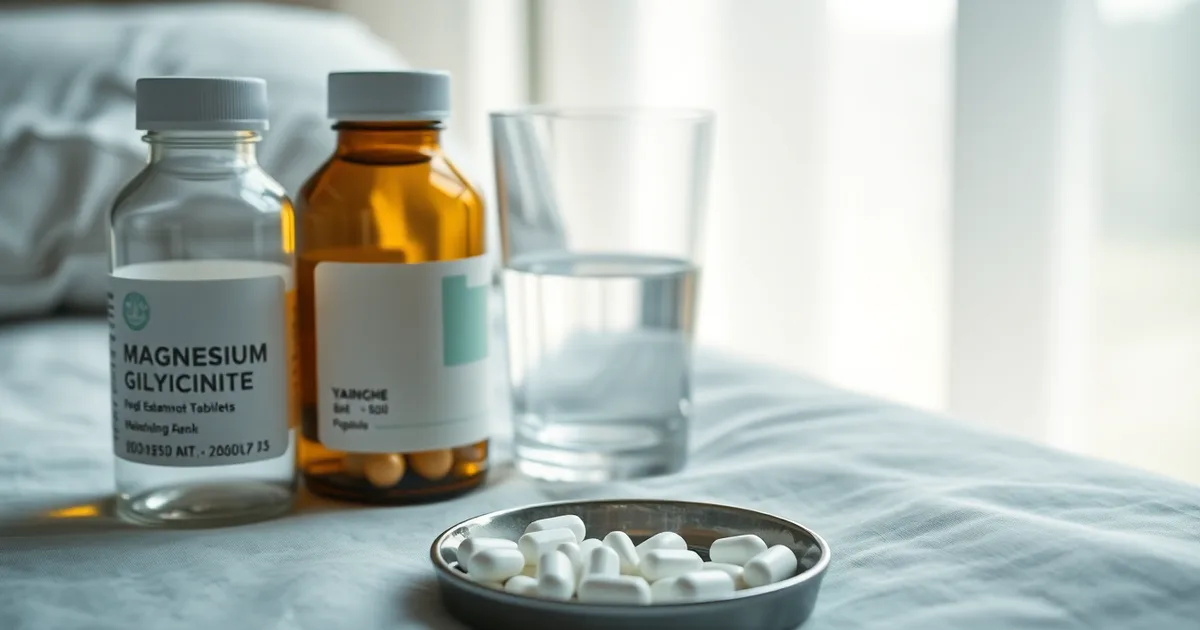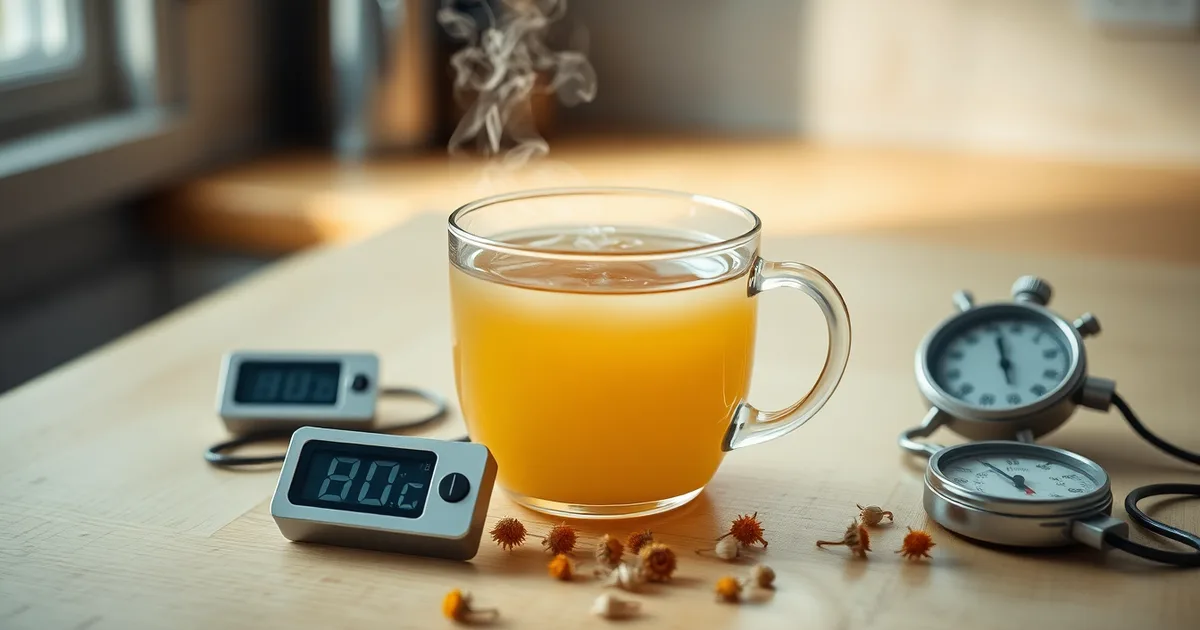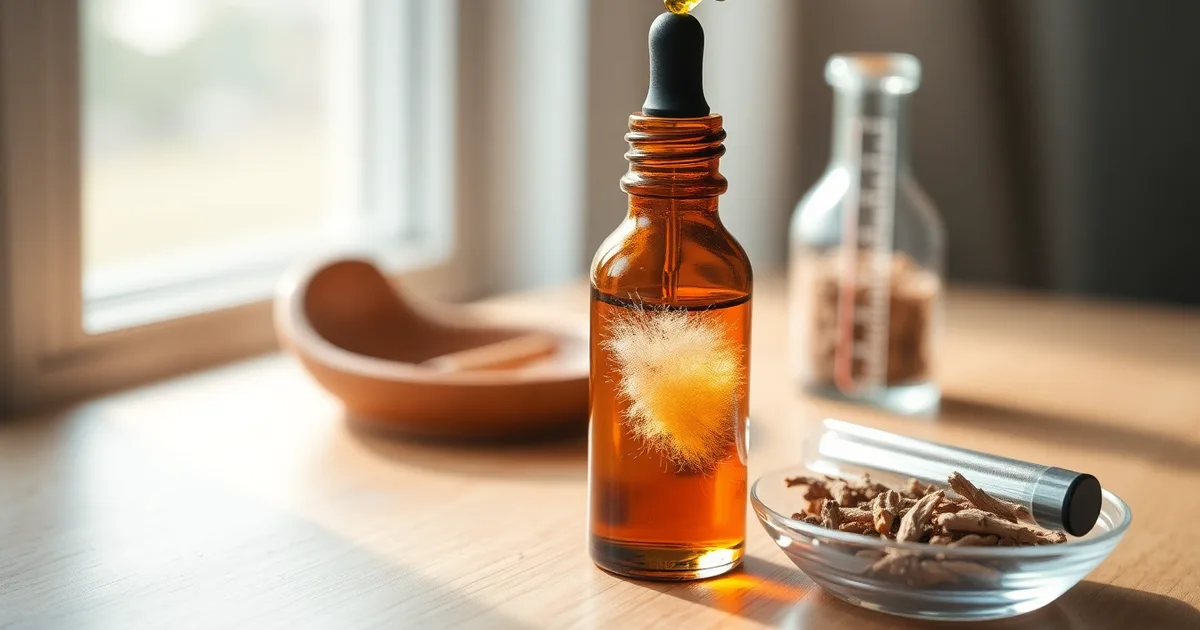
Cloudy tincture is almost always dissolved plant resins, waxes or polysaccharides dropping out of solution, not spoilage. A 10°F (5.5°C) temperature drop can trigger it within 24 hours. The batch is still fine if it smells and tastes normal and contains at least 20% alcohol by volume.
What you're seeing is the same chemistry that makes chill haze in beer. Alcohol holds a surprising amount of plant material in solution at room temperature. Cool the bottle by five degrees, or add a splash of water while topping it up, and that carrying capacity falls. Compounds that were invisible on the day you bottled come out as a fine suspension. Nothing has grown, and nothing has died.
The number that catches people is 20% ABV. Below that, ethanol stops being a reliable preservative and you're relying on the plant's own acidity to hold the line. Most long-keeping tinctures are made at 40% ABV for exactly this reason, which is why a properly made echinacea or valerian tincture can sit in a dropper bottle for three years without issue. A glycerin-based or low-alcohol version made at 15% is a different product with a different shelf life, and it will cloud more readily.
Test the alcohol before you test anything else. A glass hydrometer or a refractometer calibrated for ethanol costs about £15-£30, and it settles the question in a minute. If you're above 20% and the bottle smells like the herb rather than like vinegar or damp cardboard, filter the haze out with a 5-micron filter and carry on.
- Cold causes cloudiness: a 10°F (5.5°C) temperature drop can precipitate dissolved compounds and turn a tincture cloudy within 24 hours.
- 25% ABV is the threshold: tinctures below roughly 25% alcohol by volume are prone to both cloudiness and microbial growth, while 40% ABV is the standard for long-term preservation.
- Mold looks different: real contamination shows fuzzy surface growth, a musty smell, or a pH above 5.5, whereas safe tinctures typically sit between pH 3 and pH 5.
- Sediment is filterable: haze from plant waxes and resins is harmless and can be removed with a 5-micron filter without affecting potency.
- Standards exist: the United States Pharmacopeia sets a total aerobic microbial count limit of not more than 10² CFU/g for oral liquids, and EU herbal tinctures fall under the Traditional Herbal Medicinal Products Directive (2004/24/EC).
What exactly is the cloudiness in my tincture?
That haze is almost always plant matter, not biology. When you macerate an herb in a hydroalcoholic menstrum, you are running a solvent extraction: ethanol and water pull resins, waxes, mucilage, tannins, flavonoids and volatile essential oils out of the plant tissue and hold them in solution. Those compounds stay dissolved only under the conditions you extracted them in. Change the temperature, lose a little alcohol to evaporation through a loosely seated dropper cap, or let the bottle sit cold overnight, and the solubility math changes with it. A 2023 study in the Journal of Herbal Medicine found that a 10°F (5.5°C) drop in storage temperature can force compounds out of solution within 12–24 hours.
Precipitation and emulsification look identical to the eye but behave differently. Precipitation is solute coming out of solution as discrete solid particles: resin globules from rosemary or pine, waxy cuticular material from calendula and chamomile, cloudy colloidal mucilage from marshmallow root or slippery elm. Emulsification happens when essential oils, which are not water-soluble, get sheared into micro-droplets during shaking and stay suspended because plant saponins and polysaccharides act as surfactants. Both scatter light and both settle, one as grit, one as a slow opalescent layer that redisperses when you shake. Neither is a colony of anything.
Water content is the sneaky variable. A tincture at 40% ABV with just 1% water can go cloudy at 15°C, per a 2020 paper in the Journal of Pharmaceutical Sciences; bump humidity or use fresh wet plant material and you push more water in, which lowers your effective alcohol concentration and shrinks the solubility envelope further.
So before you pour it out, separate the question of appearance from the question of safety. Cloudiness tells you the solvent system shifted. It says nothing about whether the bottle is contaminated. The United States Pharmacopeia sets the microbial limit for oral liquids at ≤10² CFU/g total aerobic count (USP <2021>), and the organisms you would actually worry about in a poorly preserved tincture (Escherichia coli, Salmonella, and in rare anaerobic cases Clostridium botulinum) require free water and low alcohol to grow. Hold 20% ABV or higher and they cannot. The next section covers how to confirm that number.
Is a cloudy tincture safe to use? Here's how to tell spoilage from harmless haze.
Cloudiness on its own tells you almost nothing. A tincture sitting at 45% ABV with a fine grey sediment at the bottom is usually fine; a tincture at 18% ABV that looks perfectly clear can be growing something. The check below separates the two by measuring what actually governs microbial survival and chemical stability: smell, pH, and alcohol strength.
- Smell first, and trust your nose. A spoiled tincture smells sour, yeasty, or like wet cardboard rather than of the herb. Alcohol vapour should still hit you when you uncap it. If the bottle smells flat and sweet, the alcohol has likely evaporated or been diluted.
- Check for surface growth, not sediment. Mold appears as fuzzy patches or a skin on the liquid surface, sometimes climbing the glass above the fill line. Sediment that sits at the bottom and stays there is a different phenomenon entirely.
- Measure pH with a calibrated meter. Safe tinctures usually land between 3.0 and 5.0, driven by organic acids and tannins from the menstrum. A reading above 5.5 is a genuine warning sign, since it means whatever acids were present have been consumed or neutralised by microbial activity. A 2021 study in Food Chemistry found this threshold useful as a screening tool, though not definitive on its own.
- Take an alcohol meter reading. A hydrometer or alcohol meter gives you the number that matters most. Below 20% ABV, the US Pharmacopeia's <1111> guidance on microbial limits for oral liquids stops protecting you: pathogens including Clostridium botulinum, Escherichia coli and Salmonella can survive and multiply. The USP limit for oral liquids is a total aerobic count of ≤ 10² CFU/g, and a tincture under 20% ABV has no realistic way to hold that line over months.
- Watch what happens on standing. Harmless haze from resin, flavonoid or tannin precipitation settles out within hours to days and does not redissolve when you shake it. If the cloudiness clears when the bottle warms to room temperature, that is a temperature-driven precipitate, not growth. A 2023 study in the Journal of Herbal Medicine recorded precipitation within 12–24 hours after a 10°F (5.5°C) drop in storage temperature.
- Filter only if you want clarity, not safety. A 5-micron filter removes sediment without stripping most active compounds, per a 2022 article in HerbalGram. It has no effect on a tincture that has already gone below 20% ABV.
- Dilution is the usual culprit. Dropper bottles let you add a few drops of water or glycerin "to soften the taste", and each addition cuts the alcohol percentage. A 1% water content in a 40% ABV tincture is enough to cause cloudiness at 15°C, according to a 2020 paper in the Journal of Pharmaceutical Sciences. Keep a written record of any dilution and re-check ABV afterwards.
The thing people get wrong most often is the ABV threshold. The commonly repeated figure is 25% for spoilage, and that is too generous: below 20% ABV, the preservative effect collapses and C. botulinum spores can germinate. But cloudiness frequently appears at 30% ABV and above, where nothing dangerous is happening at all, because resins and essential oils are falling out of solution as the bottle cools or the water fraction shifts. That is a clarity problem, not a safety problem. If your tincture reads above 20% ABV, smells right, and sits at pH 3–5, the haze is cosmetic and you can filter it or ignore it.
Does alcohol percentage really matter for cloudiness?
Yes, and it is the single biggest lever you control. Alcohol is not just the preservative in a tincture; it is the solvent that holds resins, essential oils and fat-soluble flavonoids in solution. Drop the concentration and those compounds stop dissolving and start settling. The menstrum — the alcohol-water mixture you poured over the plant — has a carrying capacity, and once you fall below it, whatever no longer fits comes out as haze or sediment. This happens fastest with resinous herbs (propolis, pine bud, myrrh) and slowest with tannin-heavy leaves that dissolve readily in water.
Two thresholds matter in practice. Between 25% and 40% ABV, cloudiness is common but benign: cooling a bottle by 10°F (5.5°C) can precipitate compounds within 12 to 24 hours, per a 2023 study in the Journal of Herbal Medicine. Even 1% water content in a 40% ABV tincture can cause visible haze at 15°C (2020, Journal of Pharmaceutical Sciences). Below 20% ABV the picture changes. The United States Pharmacopeia (<1111>) notes that alcohol concentrations under 20% ABV no longer reliably suppress microbial growth, which is why glycerin-heavy or "alcohol-free" preparations carry shorter shelf lives. For reference: a 40% ABV tincture keeps 5 to 10 years; a 25% one, 2 to 3. If you want to know where your bottle actually sits, measure it — a hydrometer or an alcohol meter reading taken at 20°C will tell you in under a minute, and the number is worth more than any guess based on the recipe.
Glycerin-based tinctures cloud more than alcohol-based ones for a simple reason: glycerin is a weaker solvent for resins and essential oils, and it is often paired with a lower overall preservative strength. That combination means more precipitate forms at cooler temperatures and less protection against the microbes that spoil a bottle. Glycerin does hold mucilage and some tannins well, which is why marshmallow root and similar demulcent herbs work in glycerites. But if your dropper bottle is going cloudy within weeks and it is a glycerin preparation, the honest answer is usually "that's expected" — test the pH first. Safe tinctures sit between 3.0 and 5.0; anything above 5.5 is a spoilage signal regardless of what the cloudiness looks like. A 5-micron filter will clear the haze without stripping the actives, per a 2022 HerbalGram article, but it will not fix a bottle that has already gone over.
Temperature swings: the hidden trigger behind sudden cloudiness
Alcohol holds plant resins, flavonoids and essential oils in solution the same way hot water holds sugar. Cool the liquid and the carrying capacity drops. A tincture that sat clear on a shelf at 72°F can turn visibly hazy overnight once that shelf falls to 62°F, because the dissolved fraction of heavier compounds — resins, some tannins, traces of wax and mucilage — exceeds what the alcohol-water menstrum can keep in solution at the lower temperature. The material doesn't disappear. It nucleates into particles small enough to scatter light, which is what your eye reads as cloudiness.
The speed is the part that catches people off guard. A 2023 study in the Journal of Herbal Medicine found that a 10°F (5.5°C) drop in storage temperature precipitated detectable compounds within 12–24 hours. That timing matters, because it explains the pattern most home herbalists report: a bottle that was fine in September turns cloudy in November, and the maker assumes something went wrong with the batch rather than with the thermostat. A 2020 paper in the Journal of Pharmaceutical Sciences pushed the threshold even lower, showing that as little as 1% water content in a 40% ABV tincture clouds at 15°C. Cold plus a little water carryover from fresh plant material is the most common combination behind a sudden haze.
What temperature range actually protects the bottle
Store tinctures at 60–70°F (15–21°C), out of direct sunlight and away from exterior walls, radiators and windowsills. That band is wide enough to absorb normal household drift and narrow enough to keep most resin and essential-oil fractions dissolved. Sunlight is a separate problem — UV accelerates oxidation of flavonoids and degrades some volatile oils — so an amber dropper bottle in a closed cupboard beats a clear bottle on a bright counter even at identical temperature.
Cold is not the only risk. Repeated cycling between a warm kitchen and a cold garage is worse than steady cold, because each warm phase partially redissolves the precipitate and each cold phase forces it out again, growing the particles. If a bottle has already clouded and you want it clear, warming it to roughly 75°F in a water bath for 20 minutes will usually redissolve a temperature-driven haze; if it stays cloudy after that, you are looking at something else. Sediment that persists through warming can be removed with a 5-micron filter, which strips particles without pulling out the active compounds, per a 2022 article in HerbalGram. None of that is necessary for safety. Cloudiness from cold is cosmetic.
Water content in tinctures: how much is too much?
Every drop of water in a tincture is a liability. It arrives two ways: with the plant material, and with the menstrum itself. Fresh herbs such as lemon balm, chickweed or cleavers can sit at 70–85% moisture, and that water dilutes the alcohol the moment you pour in the vodka or Everclear. Dried herbs are not innocent either. Commercial dried root and leaf still hold 8–12% water, and a 60% ABV menstrum blended at a 1:5 ratio with dried herb routinely lands nearer 45–50% ABV once the plant's residual moisture equilibrates. If you top up with distilled water to soften the taste, you are lowering the effective alcohol concentration a second time.
Once you drop below 20% ABV, the United States Pharmacopeia general chapter on microbial attributes of nonsterile products (USP <1111>) treats the liquid as hospitable to bacteria and yeast, not hostile. Escherichia coli, Salmonella and Clostridium botulinum spores survive in that window; the alcohol no longer does the work your sanitised jar was supposed to do. Cloudiness at that point stops being cosmetic. A 2021 study in Food Chemistry put safe tinctures at pH 3.0–5.0, with readings above 5.5 flagging possible spoilage, and a 40% ABV tincture held at 15°C will throw a visible haze from as little as 1% water content (Journal of Pharmaceutical Sciences, 2020). That is the mechanism behind most "my tincture went milky" complaints: not contamination, just water forcing flavonoids, tannins and mucilage out of solution.
What to aim for, and how to measure it
For anything you intend to keep past six months, target a final water content below 5%. Practically, that means 40% ABV or higher for glycerin-free tinctures, and 50–60% ABV for fresh-plant macerations where you cannot control the starting moisture. Shelf life tracks this directly: a 40% ABV tincture typically holds 5–10 years, a 25% ABV one 2–3 years, and anything under 20% ABV should be treated as a short-term refrigerator item. A hydrometer or alcohol meter costs £10–£25 and reads ABV directly; a £30–£60 pH meter closes the second gap. If your reading comes in at 22% ABV and pH 5.8, you have a tincture that wants drinking within weeks, not years.
Filtration is the last lever. A 5-micron filter, as recommended in a 2022 HerbalGram piece, pulls sediment without stripping the essential oils and flavonoids you extracted on purpose. Do not reach for a 0.45-micron sterile filter on a home setup — it clogs on mucilage within minutes and the pressure you apply to force it through will aerosolise your product. The honest trade-off: sweet, low-alcohol tinctures taste better and are kinder to children and pets, but they need refrigeration and a 3–6 month rotation. High-ABV tinctures taste harsh and burn going down, but they will still be clear and potent in 2033. Pick one and label the bottle with the date, ABV and pH. That label is worth more than any colour you see through the glass.
How to filter and clarify a cloudy tincture without losing potency
This procedure applies to a tincture you have already cleared as safe — pH between 3.0 and 5.0, alcohol at or above 20% ABV on a hydrometer, no off smell or surface film. It is cosmetic work: you are removing precipitated tannins, waxes, or mucilage, not sterilising anything. You need a refrigerator, a 250 mL or 500 mL glass beaker or jar, a 5-micron filter or a pack of unbleached #4 coffee filters, a funnel, and amber glass dropper bottles. Budget about $20 for filters and bottles if you do not have them, and two full days of mostly waiting.
- Cold crash the bottle in the refrigerator for 48 hours. Set it upright on a shelf, not in the door, where the temperature swings every time someone opens it. A steady 38–40°F (3–4°C) is the target; a 10°F (5.5°C) drop below your storage temperature will pull dissolved compounds out of solution within 12–24 hours, and the extra day lets the floc settle into a compact layer instead of a loose haze that re-suspends the moment you touch it. Do not skip the second day because the liquid already looks clearer.
- Do not agitate the bottle when you take it out. Lift it straight, keep it vertical, and set it on the counter where it will stay for the next step. Every tilt re-suspends the pellet you just spent two days building.
- Decant the clear upper liquid off the sediment first, before you bring filtration into it. Pour slowly into your beaker until you see the sediment start to move, then stop. You will leave 5–15 mL behind. That is fine. Decanting first means the filter only has to catch the remainder, which is the difference between a filter that clogs at 60 mL and one that runs a full 200 mL.
- Filter through a 5-micron filter, or an unbleached coffee filter if that is what you have. This is the step people botch, usually by grabbing whatever is in the kitchen drawer. A standard paper coffee filter sits somewhere around 15–20 microns, so it will catch visible floc but let finer haze straight through, and it will strip more of your lipophilic actives than a proper 5-micron membrane because the paper adsorbs them. Filtration at 5 microns removes sediment without stripping active compounds, per a 2022 article in HerbalGram. Wet the filter with a few millilitres of fresh 40% ABV neutral spirit before you pour, so the first pass is not absorbed into dry paper. Expect 10–20 minutes for 250 mL through a coffee filter, 2–5 minutes through a 5-micron membrane in a vacuum setup.
- Keep the whole filtration cold if you can. A chilled beaker in an ice bath holds the precipitate in its solid form; let the liquid warm to room temperature mid-filter and some of what you just dropped out will dissolve back in, and you will be doing this again next month. If you cannot keep it cold, work quickly and accept a slightly hazier result.
- Check the pH of the filtered tincture with a calibrated pH meter before bottling. A clean filtration should not move pH more than about 0.1–0.3, but if it climbed above 5.5 you have a spoilage question, not a clarification question, and the batch should not go back into a dropper bottle. The 2021 Food Chemistry study puts the safe band at 3.0–5.0, with anything above 5.5 warranting suspicion.
- Rebottle in amber glass dropper bottles, filled to within about 1 cm of the neck. Headspace is oxygen, and oxygen plus residual water is what oxidises flavonoids and darkens the colour over months. Amber glass blocks the UV that degrades essential oils and many flavonoids. Label with the date, the alcohol percentage you measured, and the botanical — not just "valerian," but "valerian root, 45% ABV, filtered 14 Sep 2026."
- Store the finished bottles somewhere that does not fluctuate. A cupboard that stays between 60–70°F (15–21°C) is right. A tincture at 40% ABV holds 5–10 years under those conditions; drop to 25% ABV and you are looking at 2–3 years, so the number on the label matters.
The failure mode is filtering a tincture that was never safe to drink. Cold crashing and 5-micron filtration will make a contaminated batch look beautiful, and it will not remove Escherichia coli, Salmonella, or Clostridium botulinum spores — those are 0.5–3 microns but a gravity-fed coffee filter does not achieve reliable retention at that size, and a membrane that does will clog in minutes on a dirty batch. USP <2021> sets the microbial limit for oral liquids at a total aerobic count of ≤10² CFU/g, and home setups have no way to verify that. If the alcohol was under 20% ABV, or the water content crept up, or the pH crossed 5.5, you are not clarifying anything. You are polishing a batch you should pour out.
When to discard a cloudy tincture (and when not to)
Most decisions come down to one measurement, not a visual judgement. A tincture sitting at 40% alcohol by volume with a pH of 3.8 and a clean, herbaceous smell is fine to keep for years, however milky it looks in the dropper. The picture changes the moment alcohol slips below 20% ABV, because that is the threshold below which the US Pharmacopeia's <1111> guidance on microbial examination says water-based preparations can support bacterial growth.
Check with a hydrometer or a narrow-range alcohol meter before anything else — a $30 hydrometer reads to ±1% and settles the question faster than sniffing the bottle repeatedly. Then cross-check the other four signals below. One bad reading on its own rarely justifies disposal; two or more matching the right-hand column usually does.
| Sign | Harmless haze | Spoilage indicator |
|---|---|---|
| Appearance | Uniform cloudiness or fine sediment at 0.5–2 mm settled on the base; clears or shifts when warmed to 20°C (68°F) | Floating clumps, surface film, or stringy threads that persist above 25°C; gas bubbles rising without agitation |
| Smell | Recognisable herb aroma with the original alcohol note; no sourness | Vinegar, wet cardboard, or acetone odour — acetic acid bacteria or Escherichia coli activity |
| pH | 3.0–5.0, matching a 2021 Food Chemistry survey of shelf-stable botanical extracts | Above 5.5, or a rise of more than 0.5 units since bottling |
| Alcohol content | ≥ 25% ABV; 40% ABV tinctures typically hold 5–10 years, 25% ABV holds 2–3 years | Below 20% ABV per USP <1111>, or a drop of 5+ points from the original reading |
| Mold presence | None visible; turbidity is amorphous, not fibrous, under a 10x loupe | Any visible mycelium, fuzzy patches, or colonies exceeding 102 CFU/g (USP <2021> oral liquid limit) |
The alcohol row and the mold row decide nearly every case. If ABV holds at 25% or higher and nothing fuzzy has grown, the bottle stays — decant off the sediment through a 5-micron filter and it will look clean again without losing flavonoids, tannins, or the essential oils you extracted in the first place. The flip case is a low-alcohol glycerite or vinegar-based extraction, the kind home herbalists make for children or people avoiding ethanol. Those often sit under 20% ABV from day one, so the pH and mold rows take over, and any reading above 5.5 combined with a sour smell means the batch is done. Clostridium botulinum and Salmonella are rare in properly acidified preparations but not impossible in water-heavy, under-preserved ones, and no visual check substitutes for the alcohol meter when that is the risk you are weighing.
Preventing cloudiness in future batches: formulation and storage tips
Cloudiness you can prevent is cheaper than cloudiness you have to filter out. Most of the levers sit at the formulation stage, before a single drop goes into a dropper bottle, and the rest come down to how you store the finished product. Here is what actually moves the needle, roughly in order of impact.
- Start with dried herb, not fresh. Fresh plant material carries 60-80% water by weight, and that water ends up in your menstrum. Dried herb typically sits at 8-12% moisture, which keeps your final alcohol concentration higher and leaves less free water for the tannins, flavonoids and mucilage to bind with and drop out of solution. If you insist on fresh, you need a higher-proof menstrum to compensate, and you should expect more sediment regardless.
- Aim for 40-50% ABV for long-term clarity. Tinctures held at 40% ABV routinely last 5-10 years; drop to 25% ABV and you are looking at 2-3 years at best, with a much higher chance of haze forming along the way. Above 50% ABV you start extracting more lipophilic compounds that can cloud on dilution, so there is a ceiling worth respecting.
- Measure your menstrum with a hydrometer, not by eyeballing the bottle. A 1% water content in a 40% ABV tincture can trigger cloudiness when stored at 15°C, according to a 2020 paper in the Journal of Pharmaceutical Sciences. That is a narrow margin. A calibrated hydrometer corrects for temperature and tells you what you actually bottled, not what the label claimed.
- Use amber glass and keep it full. Amber glass blocks the UV that degrades essential oils and accelerates oxidation of tannins and flavonoids. Headspace matters too: every millilitre of air above the liquid is oxygen working on your tincture. Transfer to a smaller bottle as you use it down, or top up with fresh menstrum if the recipe allows.
- Hold storage temperature steady. A 10°F (5.5°C) drop in storage temperature can precipitate compounds within 12-24 hours, per a 2023 study in the Journal of Herbal Medicine. A kitchen windowsill that swings between a warm afternoon and a cold night is the worst place in the house for a dropper bottle. Pick a cupboard that stays within a few degrees year-round and leave it there.
- Filter once, at bottling, with a 5-micron filter. A 2022 article in HerbalGram found that 5-micron filtration removes sediment without stripping active compounds, unlike finer filters that can pull out resinous and waxy fractions along with the haze. Filter before you bottle, not after the cloudiness appears, and you skip the whole problem.
- If you sell, keep records that survive scrutiny. The EU's Traditional Herbal Medicinal Products Directive (2004/24/EC, in force since 2011) requires stability testing for registered products, and Good Manufacturing Practice expectations under USP <2021> set a total aerobic count limit of 102 CFU/g for oral liquids. Even if you are not selling into the EU, a batch log with dates, measured ABV and storage temperature is the cheapest insurance you will ever buy.
The one people get wrong most often is the alcohol figure. Home makers treat ABV as a rough target set by the recipe rather than a measured property of the finished batch, and they skip the hydrometer step because it feels fussy. Then they wonder why a tincture that was clear in March is hazy in November. Check the number at bottling, write it down, and if it comes in under 40% ABV, either accept a shorter shelf life and store it cold, or add more high-proof alcohol and re-measure before you seal the bottle.
Frequently Asked Questions
Why did my tincture turn cloudy after I added water?
Diluting a tincture with water drops the alcohol concentration below the level that was holding resins, essential oils and waxes in solution. Those compounds come out of solution as fine droplets, which scatter light and read as cloudiness. A tincture at 60% ABV cut to roughly 25% ABV with water will almost always haze within minutes, especially if it is a resinous herb like pine resin, cayenne or myrrh.
Can I still use a tincture that has sediment at the bottom?
Yes, if it still smells and tastes normal and shows no mold. Sediment in a dropper bottle is usually precipitated plant matter, not contamination. Let the bottle stand upright for 24 hours, decant the clear liquid off the top, or pass it through a coffee filter or a 5 micron filter paper. Expect to lose 5-10% of the volume to the filter.
Does cloudiness mean my tincture has gone bad?
No. Cloudiness on its own is a physical change, not a microbiological one, so it rarely signals spoilage. Spoilage needs additional evidence: visible mold, a musty or sour smell, or a pH above 5.5. Tinctures held at 40% ABV or higher are largely self-preserving, and a bottle stored away from heat and light typically lasts 3-5 years without clouding being a concern.
How can I test if my tincture is still safe?
Check four things. Confirm alcohol content with a hydrometer or refractometer; above 20% ABV is the working threshold for preservation. Test pH with strips or a meter; a healthy tincture usually sits between 3 and 5. Smell it for musty or sour notes. Look for surface mold or a ring at the neck. Fail any two and discard it.
What alcohol percentage prevents cloudiness?
Tinctures held at 40-50% ABV are the least likely to cloud, because that much ethanol keeps most resins, oils and alkaloids dissolved even when the bottle gets cold. Below 25% ABV, haze is common and often appears within days. The United States Pharmacopeia standards for many official tinctures sit near 50% ABV for exactly this reason.
Why do some tinctures cloud only when refrigerated?
Cold reduces solubility, so compounds that dissolve easily at 20°C drop out of solution at 4°C. This is the same chill haze brewers deal with, and it is reversible: warm the bottle to room temperature for a few hours and most of the haze clears. Some of it will not, and will settle as sediment you can leave behind in a separate bottle.