Setting up a home electric vehicle charging station has become essential for EV owners seeking convenient, cost-effective charging solutions. This comprehensive guide covers everything from choosing the right charging equipment to understanding installation costs and requirements. Home charging stations typically range from $500 to $3,500, with Level 2 chargers being the most popular choice for residential installations, offering 25-40 miles of range per hour of charging.
What Is a Home Electric Vehicle Charging Station?
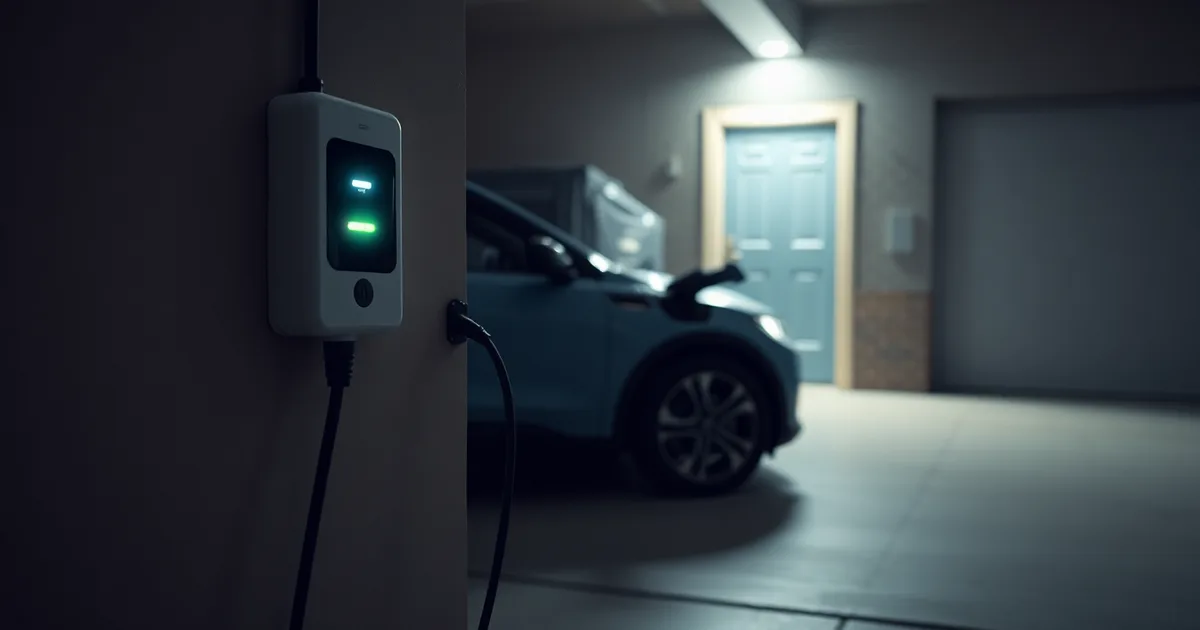
A home electric vehicle charging station, also known as Electric Vehicle Supply Equipment (EVSE), is a dedicated charging device installed at your residence to charge your electric vehicle. Home charging stations provide faster, safer, and more convenient charging compared to standard household outlets.
There are three main types of EV charging levels:
- Level 1 Charging: Uses standard 120V household outlets, providing 3-5 miles of range per hour
- Level 2 Charging: Requires 240V outlets, delivering 25-40 miles of range per hour
- DC Fast Charging: Commercial-grade charging for rapid charging, typically not used for home installations
Most homeowners opt for Level 2 charging stations due to their optimal balance of charging speed and installation cost. These units can fully charge most EVs overnight, making them ideal for daily commuting needs.
How Much Does a Home Electric Vehicle Charging Station Cost?
The total cost of a home electric vehicle charging station installation varies significantly based on several factors. Understanding these costs helps homeowners budget effectively for their EV charging infrastructure.
Equipment Costs
Charging station prices range from basic units to premium smart chargers:
- Basic Level 2 Chargers: $500-$800
- Smart/WiFi-Enabled Chargers: $800-$1,500
- Premium Commercial-Grade Units: $1,500-$3,500
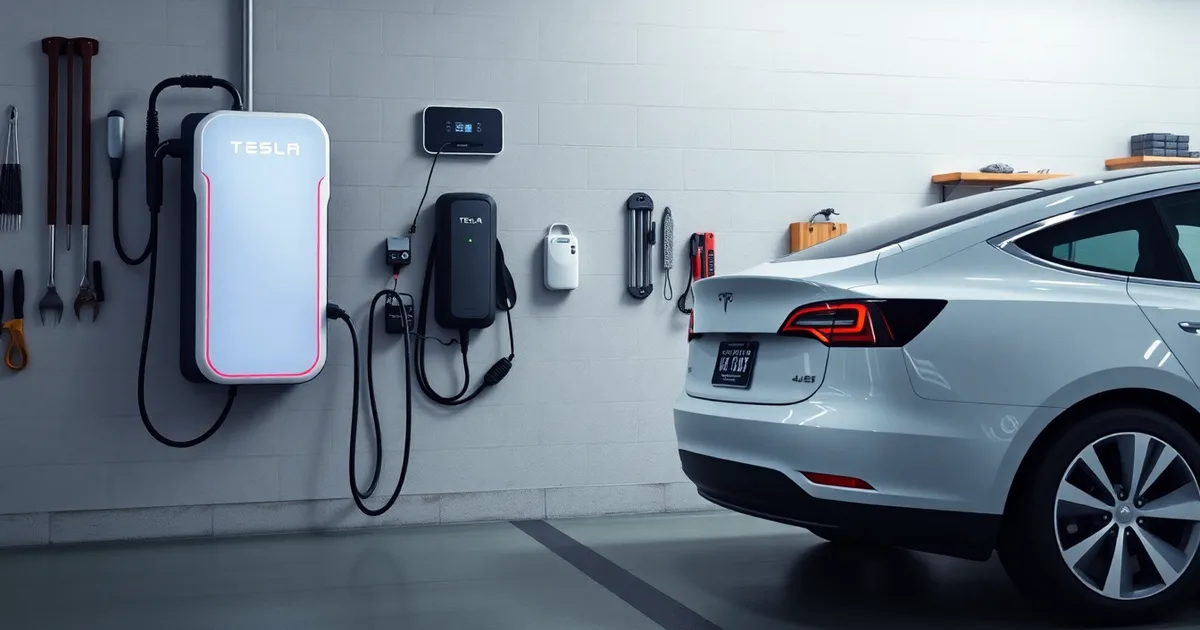
- Tesla Wall Connector: $450-$550
Installation Costs
Professional installation typically costs between $500-$2,000, depending on:
- Distance from electrical panel to charging location
- Need for electrical panel upgrades
- Local permit requirements
- Complexity of wiring installation
Similar to solar panel installation considerations, electrical work often requires professional assessment to ensure safety and compliance with local codes.
What Are the Installation Requirements for Home EV Charging?
Installing a home electric vehicle charging station requires meeting specific electrical and safety requirements. Understanding these prerequisites ensures a successful installation and optimal performance.
Electrical Panel Requirements
Your home's electrical system must accommodate the additional power demand:
- Adequate Amperage: Most Level 2 chargers require 40-60 amp circuits
- Available Breaker Space: Panel must have room for dedicated circuit breaker
- Panel Capacity: Total electrical load should not exceed 80% of panel capacity
- Grounding: Proper grounding system for safety compliance
Location Considerations
Choosing the optimal installation location affects both convenience and cost:
- Proximity to Vehicle: Within reach of charging cable (typically 20-25 feet)
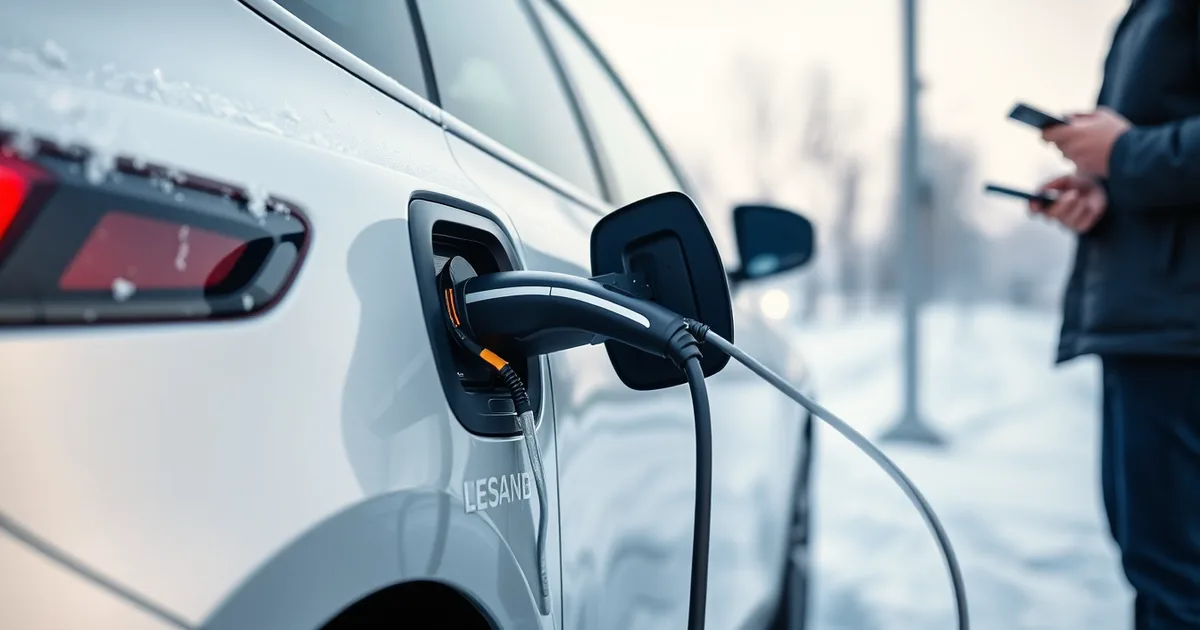
- Weather Protection: Covered or weatherproof location preferred
- Electrical Access: Reasonable distance from electrical panel
- Future Flexibility: Consider potential vehicle changes or additional EVs
How Do You Choose the Right EV Charging Station?
Selecting the appropriate charging station involves evaluating your specific needs, vehicle compatibility, and desired features. The right choice ensures optimal charging performance and long-term satisfaction.
Key Features to Consider
| Feature | Basic Models | Smart Models | Premium Models |
|---|---|---|---|
| Charging Speed | 16-32 amps | 32-40 amps | 40-80 amps |
| WiFi Connectivity | No | Yes | Yes |
| Mobile App | No | Basic | Advanced |
| Energy Monitoring | No | Yes | Detailed Analytics |
| Load Management | No | Basic | Dynamic Load Sharing |
| Price Range | $500-$800 | $800-$1,500 | $1,500-$3,500 |
Vehicle Compatibility
Most modern EVs use the J1772 connector standard, but consider:
- Tesla Vehicles: May require adapter or Tesla-specific connector
- Charging Speed: Match station output to vehicle's maximum charging rate
- Future Vehicles: Choose universal compatibility for flexibility
What Is the Step-by-Step Installation Process?
The installation process involves several stages, from initial assessment to final testing. Following proper procedures ensures safe, compliant installation.
Pre-Installation Steps
- Electrical Assessment: Have electrician evaluate current electrical system
- Permit Application: Obtain necessary permits from local authorities
- Equipment Selection: Choose appropriate charging station model
- Installation Planning: Determine optimal location and routing
Professional Installation Process
- Circuit Installation: Install dedicated 240V circuit from panel to charging location
- Mounting: Secure charging station to wall or pedestal
- Electrical Connections: Connect unit to dedicated circuit with proper safety measures
- Testing: Verify proper operation and safety systems
- Inspection: Schedule required municipal inspection
Can You Install an EV Charging Station Yourself?
While some homeowners consider DIY installation to reduce costs, professional installation is strongly recommended for safety and code compliance reasons. Most jurisdictions require licensed electrician installation for Level 2 charging stations.
DIY Considerations
If local codes permit DIY installation, consider these factors:
- Electrical Experience: Requires advanced electrical knowledge
- Safety Risks: High-voltage work carries significant safety hazards
- Code Compliance: Must meet all local electrical codes
- Permit Requirements: Still need permits and inspections
- Warranty Concerns: Improper installation may void equipment warranty
Professional Installation Benefits
- Safety Assurance: Licensed electricians ensure safe installation
- Code Compliance: Professionals understand local requirements
- Warranty Protection: Professional installation maintains equipment warranties
- Insurance Coverage: Proper installation may be required for insurance claims
What Incentives and Rebates Are Available in 2026?
Various federal, state, and utility incentives can significantly reduce the cost of home EV charging station installation. Understanding available programs helps maximize savings.
Federal Tax Credits
The federal EV charging equipment tax credit provides:
- Credit Amount: 30% of equipment and installation costs
- Maximum Credit: $1,000 for residential installations
- Eligibility: Covers hardware and professional installation
State and Local Programs
Many states offer additional incentives:
- California: Up to $500 rebate through Clean Fuel Reward program
- New York: $500 rebate through Charge NY program
- Massachusetts: Up to $1,500 rebate for qualified installations
- Local Utilities: Many utilities offer rebates ranging from $250-$1,000
How Do You Maintain Your Home EV Charging Station?
Proper maintenance ensures reliable operation and extends equipment lifespan. Most home charging stations require minimal maintenance but benefit from regular inspection.
Regular Maintenance Tasks
- Visual Inspection: Check for physical damage monthly
- Connector Cleaning: Clean charging connector quarterly
- Software Updates: Update smart charger firmware as available
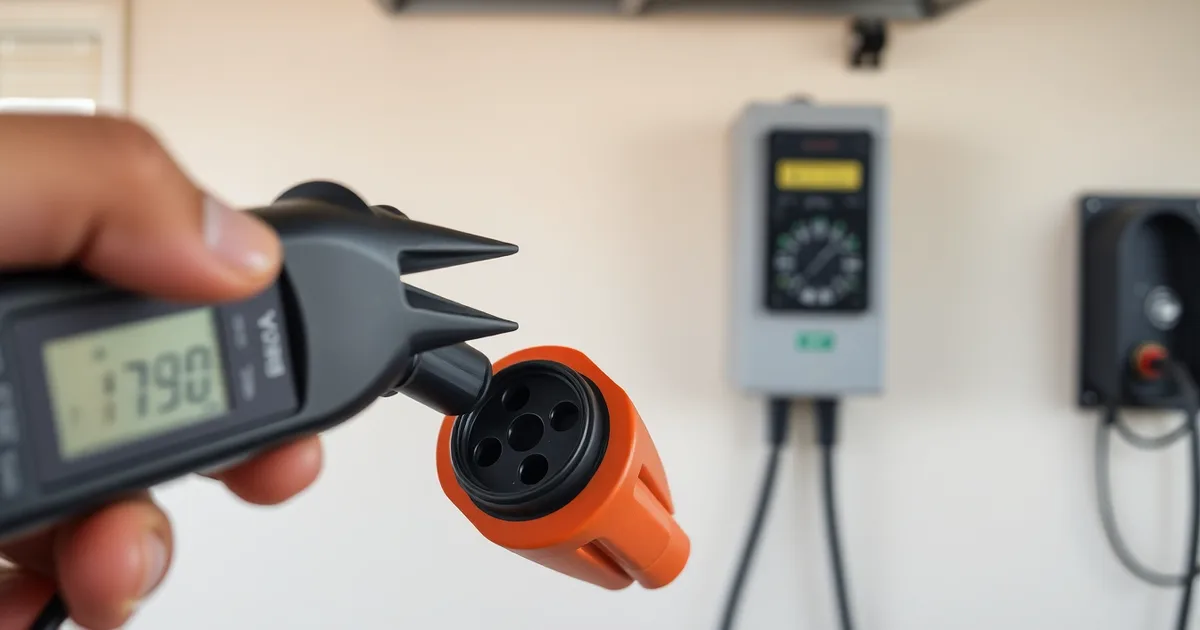
- Electrical Inspection: Annual professional electrical inspection recommended
Troubleshooting Common Issues
- No Power: Check circuit breaker and electrical connections
- Slow Charging: Verify vehicle and station compatibility
- Connectivity Issues: Reset WiFi connection on smart chargers
- Error Codes: Consult manufacturer documentation
Practical Tips for Optimal Home EV Charging
Implementing these practical strategies maximizes the efficiency and convenience of your home electric vehicle charging station:
- Time-of-Use Optimization: Program charging during off-peak electricity hours to reduce costs
- Load Management: Install smart chargers that adjust power based on home electrical demand
- Weather Protection: Use weatherproof covers or install in covered areas to extend equipment life
- Cable Management: Install cable management systems to prevent wear and trip hazards
- Multiple Vehicle Planning: Consider future EV purchases when selecting charging capacity
- Energy Monitoring: Use smart features to track charging costs and energy consumption
- Backup Solutions: Keep Level 1 charging cable as backup for emergencies
- Professional Relationships: Establish relationship with qualified electrician for future service needs
Just as remote work productivity tools require proper setup for optimal performance, EV charging stations benefit from thoughtful planning and configuration.
Cost Comparison: Home vs. Public Charging
Understanding the long-term cost benefits of home charging helps justify the initial investment:
| Charging Method | Cost per kWh | Monthly Cost (1,000 miles) | Annual Cost | Convenience Factor |
|---|---|---|---|---|
| Home Level 2 | $0.12-$0.25 | $36-$75 | $432-$900 | Excellent |
| Public Level 2 | $0.20-$0.40 | $60-$120 | $720-$1,440 | Good |
| DC Fast Charging | $0.30-$0.60 | $90-$180 | $1,080-$2,160 | Fair |
| Workplace Charging | Free-$0.15 | $0-$45 | $0-$540 | Good |
Future-Proofing Your EV Charging Installation
Planning for future needs ensures your charging infrastructure remains relevant as EV technology evolves:
- Higher Amperage Capability: Install conduit and wiring capable of supporting future upgrades
- Smart Technology: Choose chargers with updateable firmware and connectivity options
- Multiple Vehicle Support: Consider dual-port chargers or space for additional units
- Integration Opportunities: Plan for potential integration with home energy systems
Similar to planning for comprehensive home gym equipment setups, EV charging infrastructure benefits from forward-thinking design and scalable solutions.
Installing a home electric vehicle charging station represents a significant step toward energy independence and convenience for EV owners. With proper planning, professional installation, and understanding of available incentives, homeowners can create efficient, cost-effective charging solutions. The initial investment typically pays for itself within 2-3 years through reduced charging costs and increased convenience. As EV adoption continues growing, home charging infrastructure becomes increasingly valuable for both daily use and property value enhancement.