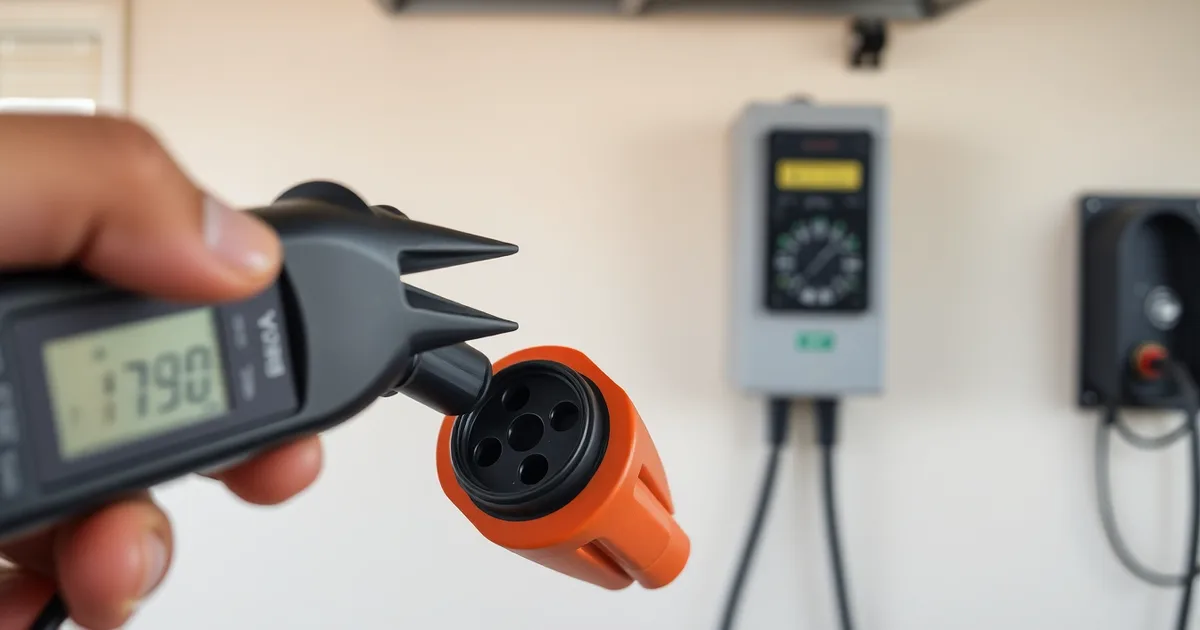
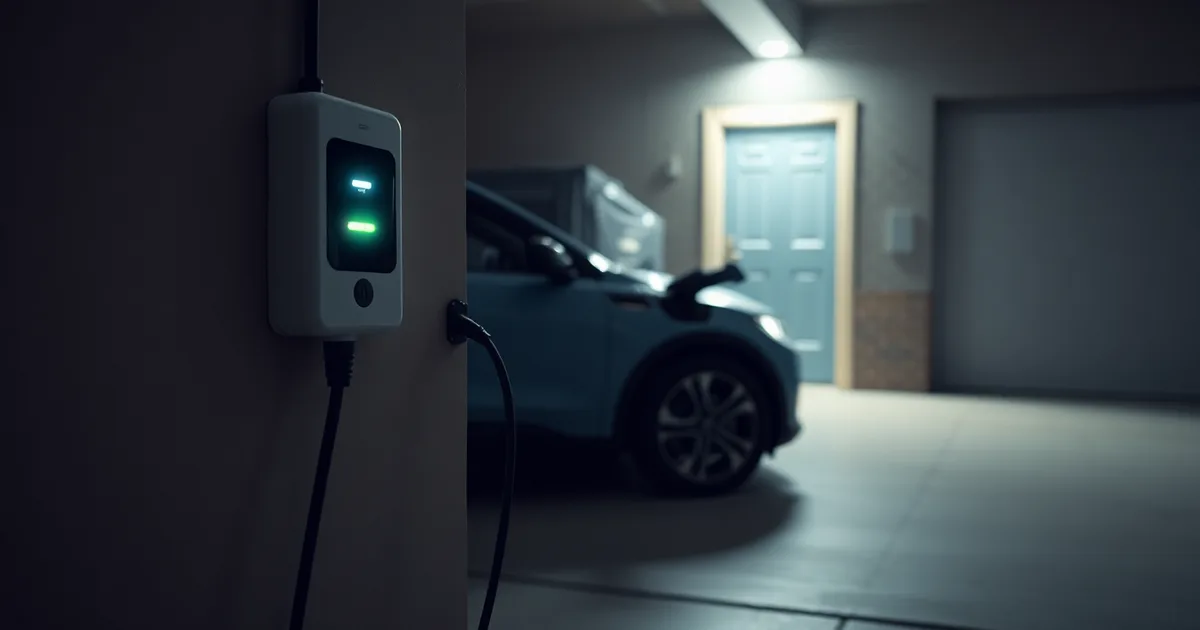
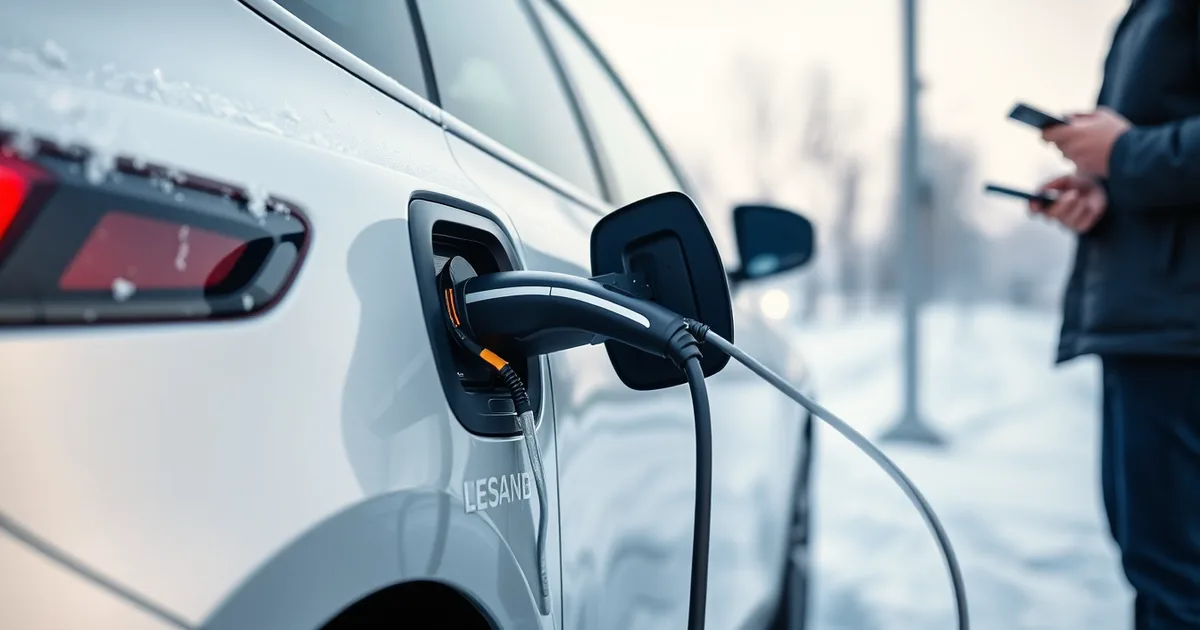
Electric vehicle charging home installation has become essential as EV adoption surges in 2026, with over 18 million electric vehicles now on roads worldwide. This comprehensive guide covers everything from electrical requirements and installation costs to selecting the best home EV charger for your needs. Whether you're considering a Level 1 or Level 2 charging station, understanding proper installation procedures, permitting requirements, and safety considerations will ensure you make informed decisions for your home charging setup.
What Are the Essential Electrical Requirements for Home EV Charging Installation?
Before beginning any electric vehicle charging home installation, understanding your home's electrical capacity is crucial. Most homes built after 1960 have adequate electrical panels, but older homes may require upgrades to safely support EV charging equipment.
Electrical Panel Assessment
Your electrical panel must have sufficient amperage to handle the additional load from EV charging. Most Level 2 home chargers require a dedicated 240-volt circuit with 40-50 amp capacity. Here are the key electrical requirements:
- Panel Capacity: Minimum 200-amp service for most Level 2 installations
- Available Breaker Slots: At least two adjacent slots for a double-pole breaker
- Wire Gauge: 6 AWG copper wire for 40-amp circuits, 4 AWG for 50-amp circuits
- GFCI Protection: Required by National Electrical Code for EV charging circuits
- Grounding: Proper equipment grounding conductor installation
Circuit Breaker and Wiring Specifications
The circuit breaker size depends on your chosen charger's amperage rating. Most residential EV chargers operate at 32 amps continuous, requiring a 40-amp breaker following the 80% rule for continuous loads.
| Charger Rating | Required Breaker | Wire Gauge | Typical Installation Cost |
|---|---|---|---|
| 16 Amps | 20 Amps | 12 AWG | $400-$800 |
| 32 Amps | 40 Amps | 8 AWG | $600-$1,200 |
| 40 Amps | 50 Amps | 6 AWG | $800-$1,500 |
| 48 Amps | 60 Amps | 4 AWG | $1,000-$2,000 |
How Much Does Electric Vehicle Charging Home Installation Cost in 2026?
Installation costs for home EV charging stations vary significantly based on factors including charger type, electrical work complexity, and local labor rates. Understanding these cost components helps you budget effectively for your installation project.
Equipment Costs
EV charger prices have decreased substantially in 2026 due to increased competition and manufacturing scale. Here's what you can expect to pay for different charger types:
- Level 1 Portable Chargers: $200-$600
- Level 2 Hardwired Units: $400-$1,500
- Smart/WiFi-Enabled Chargers: $600-$2,000
- Premium Models with Advanced Features: $1,200-$3,000
Professional Installation Expenses
Licensed electrician installation costs depend on several variables including distance from electrical panel, wall type, conduit requirements, and permit fees. Typical installation expenses include:
- Basic Installation (within 25 feet of panel): $500-$1,200
- Complex Installation (trenching, conduit runs): $1,500-$3,500
- Panel Upgrade (if required): $1,500-$4,000
- Permits and Inspections: $100-$500
- Additional Materials: $200-$800
What Are the Best Home EV Charger Models Available in 2026?
Selecting the right EV charger involves evaluating charging speed, smart features, build quality, and compatibility with your vehicle and smart home energy monitoring systems. The market offers numerous excellent options in 2026.
Top Level 2 Home Chargers
Based on 2026 performance reviews, reliability ratings, and user feedback, these models stand out:
- Tesla Wall Connector (3rd Gen): $450 - Universal compatibility, 48A charging, WiFi connectivity
- ChargePoint Home Flex: $699 - Flexible amperage (16-50A), smartphone app, energy tracking
- JuiceBox 48: $629 - Smart scheduling, load sharing, robust weatherproof design
- Grizzl-E Classic: $399 - Canadian-made, extreme weather rated, simple operation
- Emporia Vue Smart Charger: $549 - Energy monitoring integration, dynamic load management
Smart Charging Features to Consider
Modern EV chargers offer sophisticated features that optimize charging efficiency and integrate with home energy systems:
- Load Management: Automatically adjusts charging rate based on home energy usage
- Time-of-Use Scheduling: Charges during off-peak electricity rates
- Solar Integration: Coordinates with home solar systems for renewable charging
- Energy Monitoring: Tracks charging costs and energy consumption
- Remote Control: Smartphone app control and monitoring capabilities
How Do You Obtain Permits for EV Charging Installation?
Most jurisdictions require electrical permits for electric vehicle charging home installation to ensure code compliance and safety. The permitting process varies by location but generally follows similar steps.
Permit Application Process
Working with a licensed electrician simplifies the permit process, as they understand local requirements and can navigate bureaucratic procedures efficiently. The typical process includes:
- Initial Consultation: Electrician assesses your electrical system and installation requirements
- Permit Application: Submit detailed installation plans to local building department
- Plan Review: Building officials review plans for code compliance (typically 1-2 weeks)
- Installation Scheduling: Coordinate installation after permit approval
- Inspection: Local inspector verifies proper installation before activation
Required Documentation
Permit applications typically require specific documentation including electrical diagrams, equipment specifications, and installation details:
- Site plan showing charger location relative to electrical panel
- Load calculation demonstrating adequate electrical capacity
- Equipment specification sheets for chosen charger
- Installation method details (conduit type, routing, mounting)
- Proof of licensed electrician performing work
What Are the Step-by-Step Installation Procedures?
Professional electric vehicle charging home installation follows established procedures ensuring safety, code compliance, and optimal performance. While DIY installation isn't recommended for Level 2 chargers, understanding the process helps you communicate effectively with your electrician.
Pre-Installation Assessment
Before beginning installation, electricians perform comprehensive assessments to identify potential issues and develop installation strategies. This assessment includes:
- Electrical Load Analysis: Calculate existing and projected electrical loads
- Panel Inspection: Verify adequate space and capacity for new breaker
- Route Planning: Determine optimal cable routing from panel to charger location
- Code Compliance Review: Ensure installation meets local and national electrical codes
Installation Steps
Professional installation typically follows this sequence, though specific steps may vary based on home configuration and chosen equipment:
- Power Shutoff: De-energize electrical panel for safety
- Breaker Installation: Install appropriately sized double-pole breaker in panel
- Cable Routing: Run dedicated circuit cable from panel to charger location
- GFCI Protection: Install required ground fault protection equipment
- Mounting: Secure charging station to wall or pedestal mount
- Connections: Make final electrical connections following manufacturer specifications
- Testing: Verify proper operation and safety systems functionality
- Inspection: Schedule and pass required electrical inspection
How Do You Choose Between Level 1 and Level 2 Charging?
Understanding the differences between charging levels helps you select the most appropriate solution for your driving patterns and electrical capabilities. Each level offers distinct advantages depending on your specific needs.
Level 1 Charging Characteristics
Level 1 charging uses standard 120-volt household outlets, making it the simplest installation option. However, its slow charging speed may not suit all users:
- Charging Speed: 3-5 miles of range per hour
- Installation Requirements: Standard 15-20 amp household outlet
- Installation Cost: $0-$300 (if outlet already exists)
- Best For: Light daily driving (under 40 miles), plug-in hybrids, emergency backup
Level 2 Charging Advantages
Level 2 charging operates on 240-volt circuits, delivering significantly faster charging speeds suitable for most EV owners' daily needs:
- Charging Speed: 25-40 miles of range per hour
- Installation Requirements: Dedicated 240V circuit, professional installation
- Installation Cost: $1,000-$3,500 including equipment
- Best For: Daily commuting, larger battery EVs, time-conscious users
What Safety Considerations Should You Know?
Safety remains paramount in any electric vehicle charging home installation. Proper installation following electrical codes and manufacturer guidelines prevents hazards including electrical shock, fire, and equipment damage.
Critical Safety Features
Modern EV chargers incorporate multiple safety systems protecting both users and electrical systems. These features work together to prevent accidents and equipment damage:
- Ground Fault Protection: Immediately shuts off power if electrical leakage detected
- Overcurrent Protection: Circuit breakers prevent excessive current flow
- Temperature Monitoring: Thermal sensors prevent overheating conditions
- Pilot Signal Communication: Ensures proper vehicle-charger communication before energizing
- Weatherproof Enclosures: Protect electrical components from moisture and environmental factors
Installation Safety Requirements
Professional installation ensures compliance with safety codes and proper equipment operation. Key safety requirements include:
- Licensed Electrician: Many jurisdictions require professional installation for Level 2 chargers
- Code Compliance: Installation must meet National Electrical Code (NEC) requirements
- Proper Grounding: Equipment grounding prevents electrical shock hazards
- GFCI Protection: Required by code for EV charging circuits
- Adequate Clearances: Maintain required spacing around electrical equipment
How Do Utility Rebates and Incentives Work?
Many utilities and government agencies offer rebates and incentives for home EV charging installation to encourage electric vehicle adoption and support grid management goals. These programs can significantly reduce installation costs in 2026.
Federal Tax Credits
The federal government provides tax credits for EV charging equipment installation through the Alternative Fuel Vehicle Refueling Property Credit. This credit covers 30% of installation costs up to $1,000 for residential installations.
State and Local Incentives
State and local incentive programs vary widely but often provide substantial savings. Common incentive types include:
- Rebates: Direct cash back on equipment and installation costs
- Tax Credits: State tax reductions for EV charging investments
- Reduced Permit Fees: Waived or discounted electrical permits
- Time-of-Use Rates: Special electricity rates for EV charging
Utility Company Programs
Many utilities offer managed charging programs providing equipment rebates in exchange for load management capabilities. These programs help utilities balance grid demand while reducing customer costs.
What Maintenance Does Home EV Charging Equipment Require?
Home EV chargers require minimal maintenance when properly installed, but regular inspections and basic care ensure optimal performance and longevity. Understanding maintenance requirements helps prevent issues and extends equipment life.
Routine Maintenance Tasks
Simple maintenance tasks you can perform regularly to keep your charging station operating efficiently:
- Visual Inspection: Monthly checks for damage, wear, or loose connections
- Cleaning: Remove dirt, debris, and vegetation from charger housing
- Cable Management: Inspect charging cable for damage and proper storage
- Connector Cleaning: Keep charging connectors clean and dry
- Software Updates: Install firmware updates for smart chargers
Professional Maintenance Services
Annual professional inspections by qualified electricians can identify potential issues before they cause problems or safety hazards. Professional maintenance includes:
- Electrical connection tightening and inspection
- Ground fault and safety system testing
- Thermal imaging to detect hot spots
- Load testing to verify proper operation
- Documentation of maintenance performed
Practical Tips for Successful EV Charging Installation
Following these practical recommendations ensures smooth installation and optimal performance from your home charging system. These tips come from experienced installers and satisfied EV owners.
- Plan Charger Location: Choose locations protecting equipment from weather while providing convenient vehicle access
- Future-Proof Installation: Consider higher amperage circuits even if current vehicle doesn't require maximum charging speed
- Multiple Quotes: Obtain estimates from several licensed electricians to compare costs and approaches
- Permit Early: Start permit process before equipment delivery to avoid delays
- Smart Features: Invest in smart chargers for energy monitoring and integration with home automation systems
- Cable Length: Account for vehicle parking positions when determining charger mounting location
- Weather Protection: Install chargers in covered areas or use weatherproof models for outdoor installation
- Load Management: Consider whole-home energy management systems for homes with multiple EVs
- Utility Coordination: Contact utility company before installation to understand rate options and grid requirements
- Documentation: Keep all installation records, warranties, and permits for future reference
Comparison of Top Home EV Chargers 2026
This comprehensive comparison helps you evaluate leading home EV chargers based on features, performance, and value. All models listed support universal charging standards and offer reliable performance.
| Model | Max Current | Smart Features | Price Range | Warranty | Best For |
|---|---|---|---|---|---|
| Tesla Wall Connector | 48A | WiFi, Load Sharing | $450-$500 | 4 Years | Tesla owners, fast charging |
| ChargePoint Home Flex | 50A | App control, Scheduling | $699-$749 | 3 Years | Smart features, flexibility |
| JuiceBox 48 | 48A | WiFi, Time-of-use | $629-$679 | 3 Years | Smart charging, durability |
| Grizzl-E Classic | 40A | None (basic model) | $399-$449 | 3 Years | Reliability, cold climates |
| Emporia Vue Smart | 48A | Energy monitoring, Solar | $549-$599 | 2 Years | Energy management, solar homes |
Installing a home EV charging station represents a significant investment in sustainable transportation infrastructure. With proper planning, professional installation, and appropriate equipment selection, you'll enjoy convenient, efficient charging for years to come. The combination of federal incentives, utility rebates, and decreased equipment costs makes 2026 an excellent time to invest in electric vehicle charging home installation. Whether you choose a basic Level 2 charger or a sophisticated smart charging system, proper installation ensures safe, reliable operation that enhances your electric vehicle ownership experience.