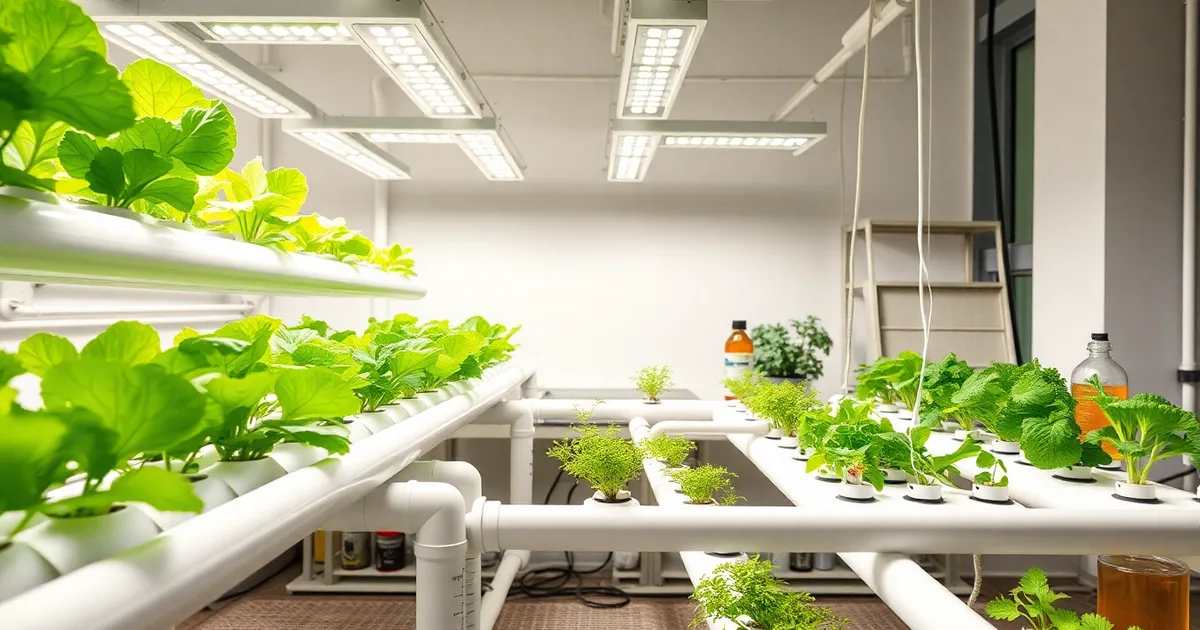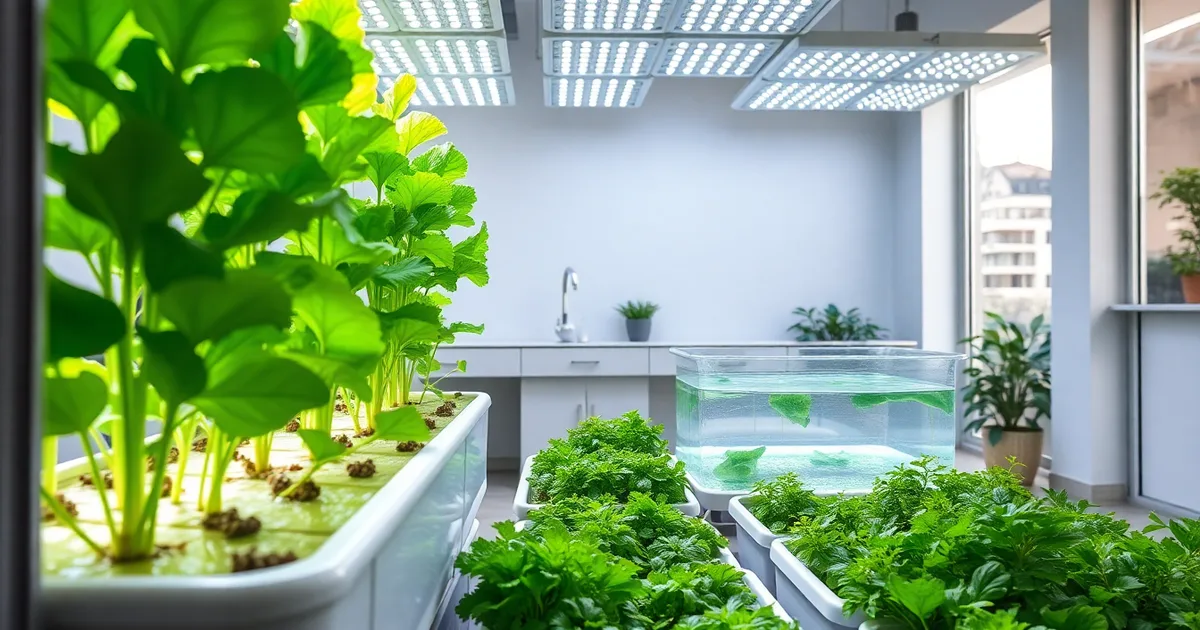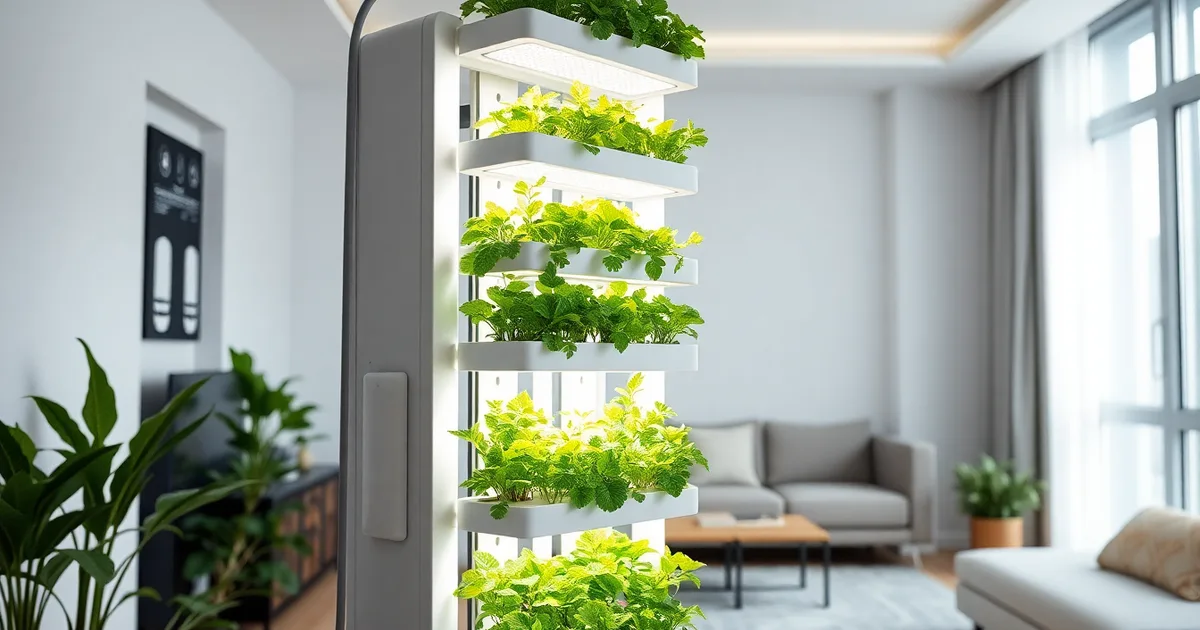
Indoor vertical garden systems represent a revolutionary approach to growing plants in limited spaces, transforming how urban dwellers cultivate fresh produce and greenery in apartments and small homes. These innovative gardening solutions maximize growing potential by utilizing vertical wall space, offering sustainable food production and improved air quality while requiring minimal floor area. This comprehensive guide covers everything from selecting the right system type to installation, maintenance, and troubleshooting for successful vertical gardening in 2026.
What Are Indoor Vertical Garden Systems?
Indoor vertical garden systems are structured growing environments that allow plants to grow upward along walls or vertical supports rather than spreading horizontally. These systems typically incorporate hydroponic, aeroponic, or soil-based growing mediums with integrated irrigation and lighting solutions.
The primary components of vertical garden systems include growing towers or wall panels, nutrient delivery systems, LED grow lights, and automated watering mechanisms. Modern systems in 2026 often feature smart technology integration for monitoring plant health and environmental conditions.
These systems can accommodate various plant types, from leafy greens and herbs to strawberries and small vegetables, making them ideal for year-round indoor cultivation regardless of climate conditions.
Why Choose Vertical Gardening for Small Spaces?
Space efficiency stands as the primary advantage of indoor vertical garden systems, allowing gardeners to grow up to 40-60 plants in the same footprint traditionally required for 4-6 plants. This vertical approach maximizes yield per square foot while maintaining easy access for harvesting and maintenance.
Urban apartments benefit significantly from vertical gardens as they provide fresh produce accessibility, reduce grocery costs by 30-50% for herbs and greens, and improve indoor air quality through natural air filtration. Better indoor air quality contributes to improved sleep and overall health.
Environmental control advantages include protection from pests, weather independence, and optimized growing conditions year-round. Water efficiency improves by 90% compared to traditional soil gardening through recirculating hydroponic systems.
Which Types of Indoor Vertical Garden Systems Work Best?
Several system types cater to different space requirements, budgets, and gardening experience levels. Understanding these options helps determine the most suitable choice for specific living situations and growing goals.
Hydroponic Tower Systems
Hydroponic tower systems utilize nutrient-rich water solutions instead of soil, supporting plants in growing medium like rockwool or clay pebbles. These systems typically accommodate 12-20 plants per tower and include automated irrigation pumps.
- Compact footprint: 2-3 square feet floor space
- Fast growth rates: 25-30% faster than soil
- Clean operation with minimal mess
- Higher initial investment: $200-800 per system
Modular Wall Systems
Wall-mounted modular systems attach directly to walls, utilizing individual planting pockets or containers arranged in grid patterns. These systems work well with both hydroponic and soil-based growing methods.
- Customizable configurations for any wall size
- Lower cost entry point: $50-300
- Easy expansion and reconfiguration
- Suitable for decorative and edible plants
Aeroponic Systems
Advanced aeroponic systems suspend plant roots in air while delivering nutrients through fine misting. These systems offer the fastest growth rates but require more technical knowledge and maintenance.
- Maximum nutrient efficiency and fast growth
- Minimal water usage
- Higher complexity and maintenance requirements
- Premium pricing: $400-1200
How to Choose the Right System for Your Space?
Selecting appropriate indoor vertical garden systems requires evaluating space dimensions, lighting conditions, budget constraints, and intended plant varieties. Consider ceiling height, available wall space, and proximity to electrical outlets for lighting and pump systems.
Assess natural lighting conditions in your chosen location. South-facing windows provide optimal natural light, while north-facing locations require more supplemental LED lighting. Most leafy greens require 12-16 hours of light daily for optimal growth.
Budget considerations include initial system costs, ongoing supplies like nutrients and growing medium, and electricity costs for lighting and pumps. Calculate total monthly operating costs, typically ranging from $15-45 for small to medium systems.
| System Type | Floor Space | Plant Capacity | Initial Cost | Monthly Operating |
|---|---|---|---|---|
| Small Hydroponic Tower | 2-3 sq ft | 12-16 plants | $200-400 | $15-25 |
| Medium Wall System | 4-6 sq ft | 20-30 plants | $300-600 | $20-35 |
| Large Aeroponic System | 6-8 sq ft | 30-50 plants | $600-1200 | $30-45 |
What Equipment Do You Need for Setup?
Essential equipment for indoor vertical garden systems includes the growing structure, irrigation components, lighting systems, and environmental monitoring tools. Each component plays a crucial role in creating successful growing conditions.
Core System Components
- Growing Structure: Towers, wall panels, or hanging systems
- Growing Medium: Rockwool, clay pebbles, coco coir, or specialized soil mixes
- Irrigation System: Water pumps, tubing, drippers, or misting nozzles
- Reservoir: Water and nutrient storage tanks
Lighting Equipment
LED grow lights provide essential full-spectrum lighting for photosynthesis. Modern 2026 LED systems offer improved efficiency with 150-200 lumens per watt and programmable light schedules.
- Full-spectrum LED panels: 30-50 watts per square foot
- Timer controls for automated light cycles
- Adjustable mounting systems
- Heat management considerations
Monitoring and Control Systems
Smart monitoring systems track environmental conditions and plant health metrics. These tools help optimize growing conditions and prevent issues before they impact plant health.
- pH and EC meters for nutrient monitoring
- Temperature and humidity sensors
- Smart controllers with mobile app integration
- Automated nutrient dosing systems
How to Install Your Vertical Garden System Step-by-Step?
Proper installation ensures system longevity, plant health, and user safety. Following systematic installation procedures prevents common issues and establishes optimal growing conditions from the start.
Pre-Installation Planning
- Measure available space dimensions and ceiling height
- Identify electrical outlet locations for pumps and lighting
- Check wall structural integrity for mounted systems
- Plan water access and drainage considerations
- Ensure adequate ventilation for humidity control
System Assembly Process
- Structure Assembly: Build towers or mount wall systems according to manufacturer specifications
- Irrigation Installation: Connect pumps, tubing, and distribution systems
- Lighting Setup: Mount LED panels at appropriate distances and angles
- System Testing: Run water circulation and check for leaks
- Growing Medium Preparation: Rinse and prepare growing substrates
Initial System Calibration
Calibrating your system ensures optimal nutrient delivery and environmental conditions. Test water circulation, lighting schedules, and nutrient concentrations before planting.
- Set pH levels between 5.5-6.5 for most vegetables
- Calibrate EC levels to 1.2-2.0 depending on plant types
- Program lighting schedules for 12-16 hour photoperiods
- Test automated watering cycles and timing
Which Plants Work Best in Vertical Garden Systems?
Plant selection significantly impacts vertical garden success, with certain varieties thriving in controlled vertical environments while others struggle with space or root restrictions. Understanding optimal plant choices maximizes yield and system efficiency.
Ideal Plants for Beginners
Leafy greens and herbs offer the highest success rates for new vertical gardeners, providing fast growth, continuous harvests, and forgiving growing requirements.
- Lettuce varieties: Buttercrunch, romaine, and leaf lettuce
- Herbs: Basil, cilantro, parsley, and mint
- Spinach and kale: Compact varieties with continuous leaf production
- Swiss chard: Colorful and productive in vertical systems
Intermediate Plant Options
Once comfortable with basic crops, intermediate gardeners can expand to fruiting plants and more challenging varieties that require specific environmental controls.
- Cherry tomatoes: Compact determinate varieties
- Strawberries: Ever-bearing types for continuous production
- Peppers: Small hot pepper varieties and compact sweet peppers
- Cucumbers: Dwarf or bush varieties suitable for containers
Advanced Growing Options
Experienced vertical gardeners can tackle challenging crops requiring specific environmental controls and intensive management techniques.
- Microgreens for rapid turnover and high value
- Exotic herbs and specialty greens
- Edible flowers for culinary applications
- Small root vegetables in deeper growing systems
How to Maintain Your Vertical Garden System?
Regular maintenance ensures consistent plant health, prevents system failures, and maximizes harvest yields. Establishing maintenance routines prevents minor issues from becoming major problems affecting entire crops.
Daily Maintenance Tasks
- Check water levels and add fresh water as needed
- Monitor plant health for signs of stress or disease
- Harvest mature leaves and fruits to encourage continued production
- Verify proper operation of pumps and lighting systems
Weekly Maintenance Routine
- Test and adjust pH and nutrient levels
- Clean growing surfaces and remove dead plant material
- Inspect irrigation lines for clogs or damage
- Rotate plants for even light exposure
- Document growth progress and system performance
Monthly Deep Maintenance
Monthly maintenance involves thorough system cleaning, component inspection, and preventive repairs to ensure long-term system reliability.
- Complete reservoir cleaning and refilling
- Descale pumps and irrigation components
- Replace worn tubing and fittings
- Clean and inspect LED lights for optimal output
- Calibrate monitoring equipment
What Common Problems Should You Expect and How to Solve Them?
Understanding common vertical gardening challenges prepares growers to identify and resolve issues quickly. Most problems stem from environmental imbalances, equipment failures, or improper plant care techniques.
Nutrient-Related Issues
Nutrient deficiencies appear as yellowing leaves, stunted growth, or poor fruit development. Regular monitoring and proper nutrient management prevent most deficiency problems.
- Yellow lower leaves: Usually nitrogen deficiency
- Purple leaf edges: Often phosphorus deficiency
- Brown leaf tips: Typically potassium deficiency or over-fertilization
- Interveinal chlorosis: Usually iron deficiency from pH imbalance
Environmental Control Problems
Poor environmental conditions cause stress that reduces yields and increases disease susceptibility. Maintaining optimal temperature, humidity, and air circulation prevents most environmental issues.
- High humidity (>70%): Increase ventilation and reduce watering frequency
- Low humidity (<40%): Add humidity trays or adjust air circulation
- Temperature extremes: Adjust lighting schedules and improve insulation
- Poor air circulation: Add fans or relocate system for better airflow
Equipment Malfunctions
Mechanical failures can quickly damage plants if not addressed promptly. Regular equipment inspection and having backup components available prevents crop losses.
- Pump failures: Keep spare pumps and check operation daily
- Clogged irrigation lines: Use filtered water and regular cleaning
- LED light failures: Monitor light output and replace aging panels
- Timer malfunctions: Use reliable timers with battery backup
How Much Does It Cost to Set Up and Maintain Vertical Gardens?
Understanding the complete cost structure of indoor vertical garden systems helps budget for initial investment and ongoing expenses. Costs vary significantly based on system size, technology level, and plant varieties grown.
Initial Setup Costs
Setup expenses include equipment purchase, installation materials, and initial supplies needed to begin growing. These one-time costs establish the foundation for years of productive growing.
- Basic systems: $150-400 for small hydroponic towers
- Mid-range systems: $400-800 for automated wall systems
- Premium systems: $800-2000 for large aeroponic installations
- Installation supplies: $50-150 for tools and mounting hardware
Ongoing Operating Expenses
Monthly operating costs include electricity for lighting and pumps, nutrients, growing medium replacement, and plant seeds or seedlings.
- Electricity: $10-30 monthly for LED lighting and pumps
- Nutrients: $5-15 monthly depending on system size
- Growing medium: $3-10 monthly for replacements
- Seeds and seedlings: $5-20 monthly for continuous planting
Cost-Benefit Analysis
Vertical gardens typically pay for themselves within 8-18 months through reduced grocery costs and improved food quality. Fresh herbs alone can save $20-40 monthly compared to store purchases.
Many urban dwellers find that growing their own produce connects them with sustainable living practices while providing the satisfaction of self-sufficiency and improved nutrition through truly fresh vegetables.
Essential Tips for Vertical Garden Success
- Start small and expand gradually: Begin with easy crops like lettuce and herbs before attempting fruiting plants
- Maintain consistent environmental conditions: Stable temperature and humidity promote healthy plant growth
- Monitor pH and nutrients weekly: Regular testing prevents deficiency problems and optimizes plant health
- Harvest frequently: Regular harvesting encourages continued production and prevents plants from going to seed
- Keep detailed growing records: Track what works well for future reference and system optimization
- Invest in quality LED lighting: Good lighting systems last longer and provide better plant growth
- Plan for equipment redundancy: Keep spare pumps and critical components available
- Clean systems regularly: Prevent algae growth and maintain optimal nutrient delivery
- Choose appropriate plant varieties: Select compact, productive cultivars bred for container growing
- Maintain proper spacing: Avoid overcrowding to ensure adequate light and air circulation
Future Trends in Vertical Gardening Technology
The vertical gardening industry continues evolving with smart technology integration, improved efficiency, and user-friendly automation. 2026 trends focus on AI-powered growing optimization, mobile app integration, and energy-efficient systems.
Smart sensors now monitor individual plant health metrics, automatically adjusting nutrients, lighting, and watering based on real-time plant needs. These systems learn growing patterns and optimize conditions for maximum yield and quality.
Integration with home automation systems allows vertical gardens to coordinate with heating, cooling, and ventilation systems for optimal growing environments. Some advanced systems even connect with secure home networks for remote monitoring and control capabilities.
Indoor vertical garden systems offer urban dwellers an exceptional opportunity to grow fresh, nutritious produce year-round while maximizing limited space efficiently. Success depends on selecting appropriate system types, maintaining proper environmental conditions, and following consistent care routines. With initial investments ranging from $200-1200 and monthly operating costs of $15-45, these systems typically pay for themselves through reduced grocery expenses and improved food quality within the first year. Whether you're growing simple herbs or challenging fruiting crops, vertical gardening transforms small spaces into productive growing environments that enhance both nutrition and quality of life in urban settings.